Carlo Zappella
Images in Limbo
Images in Limbo

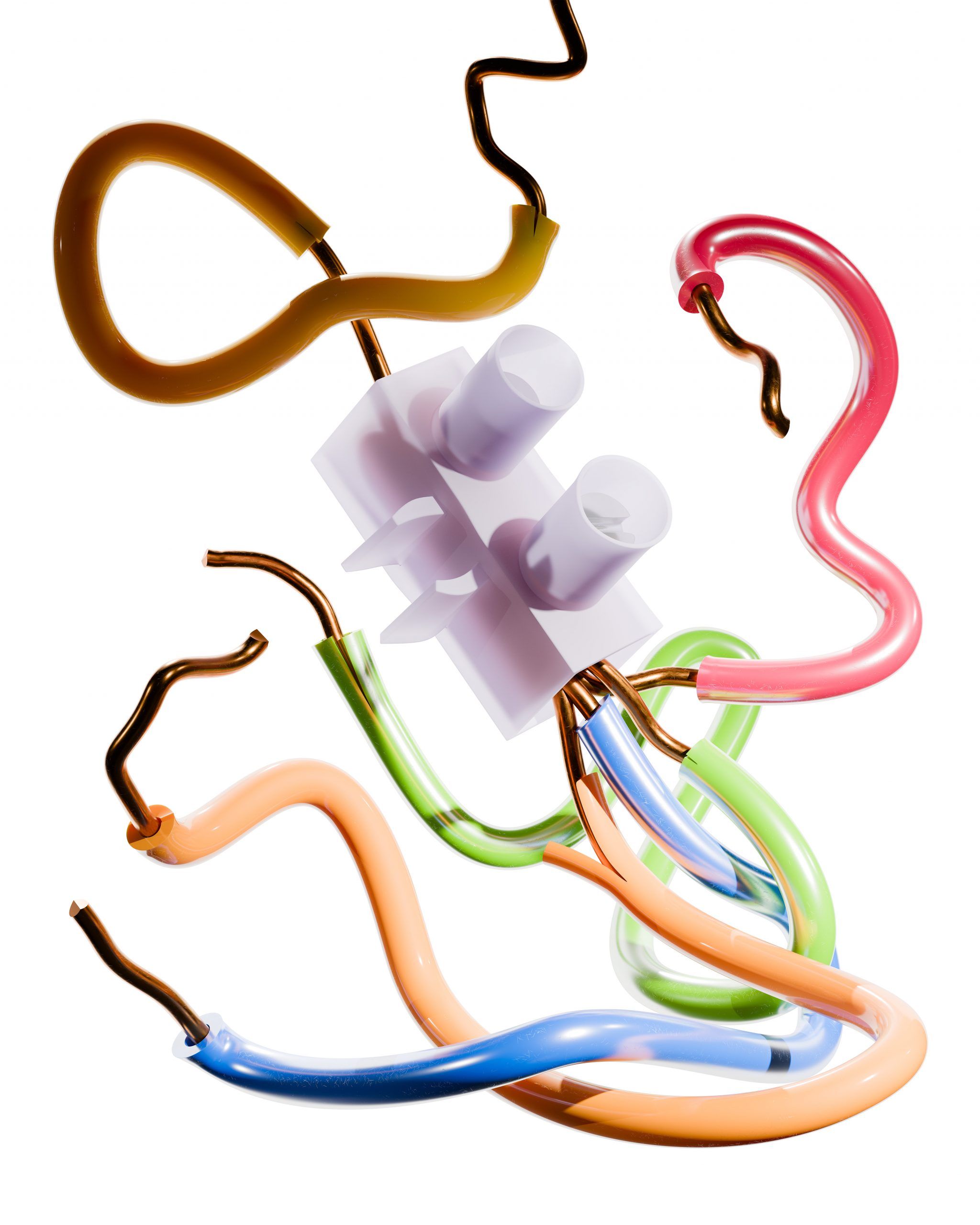

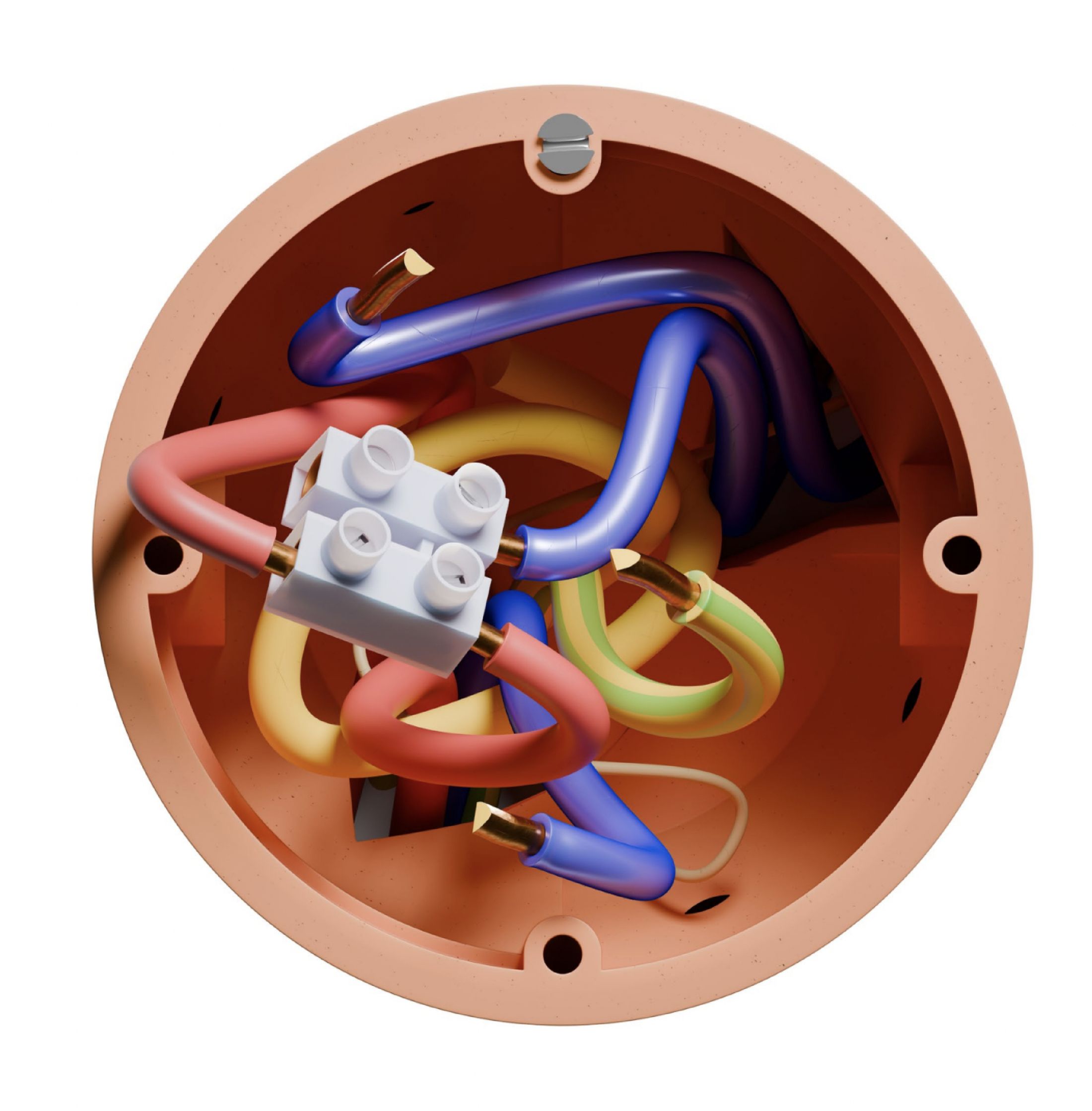
Carlo Zappella, detail from Cables_01, 2025, from the series Cableporn, inkjet print, 50 × 40 cm
Carlo Zappella, detail from Cables_01, 2025, from the series Cableporn, inkjet print, 50 × 40 cm
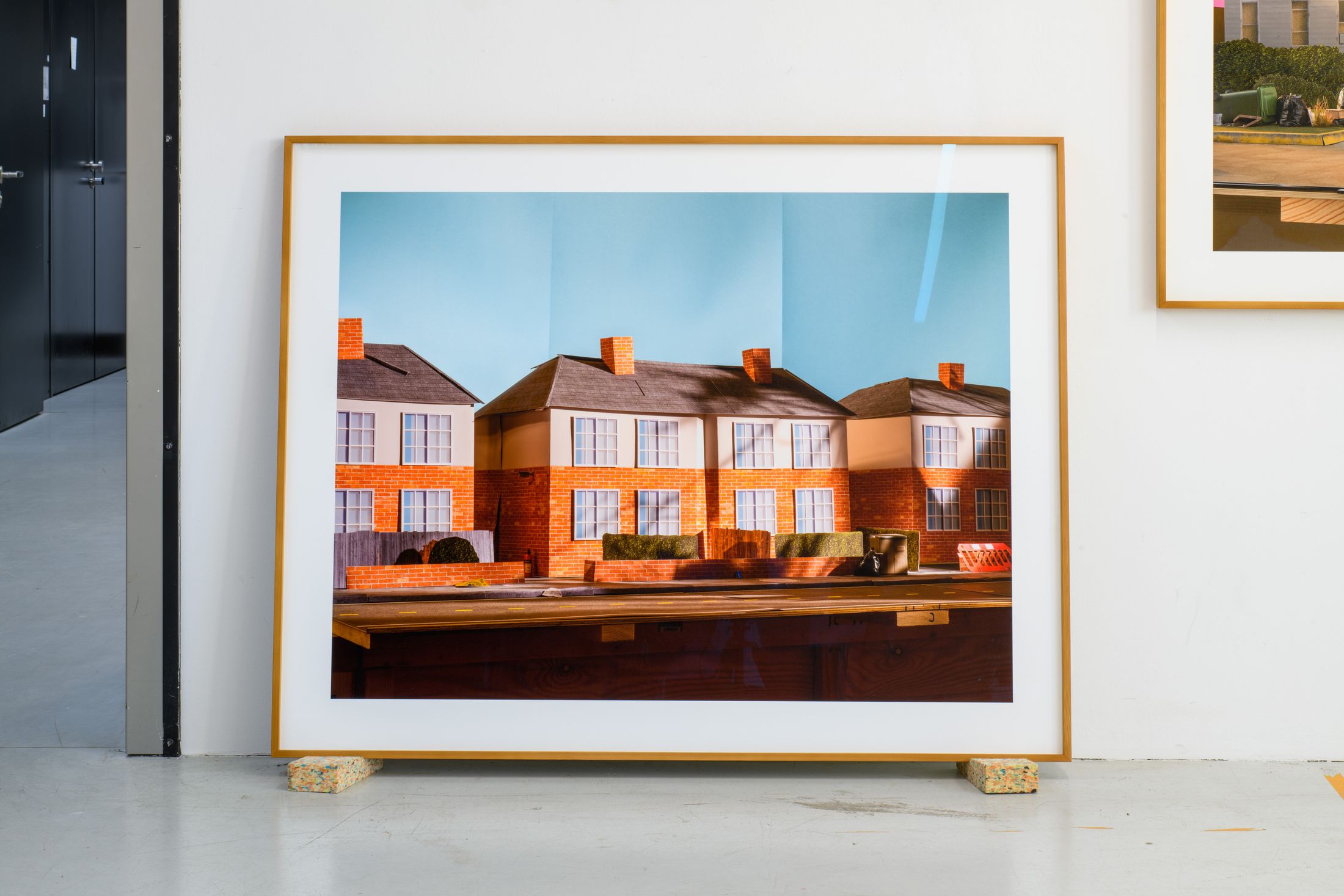
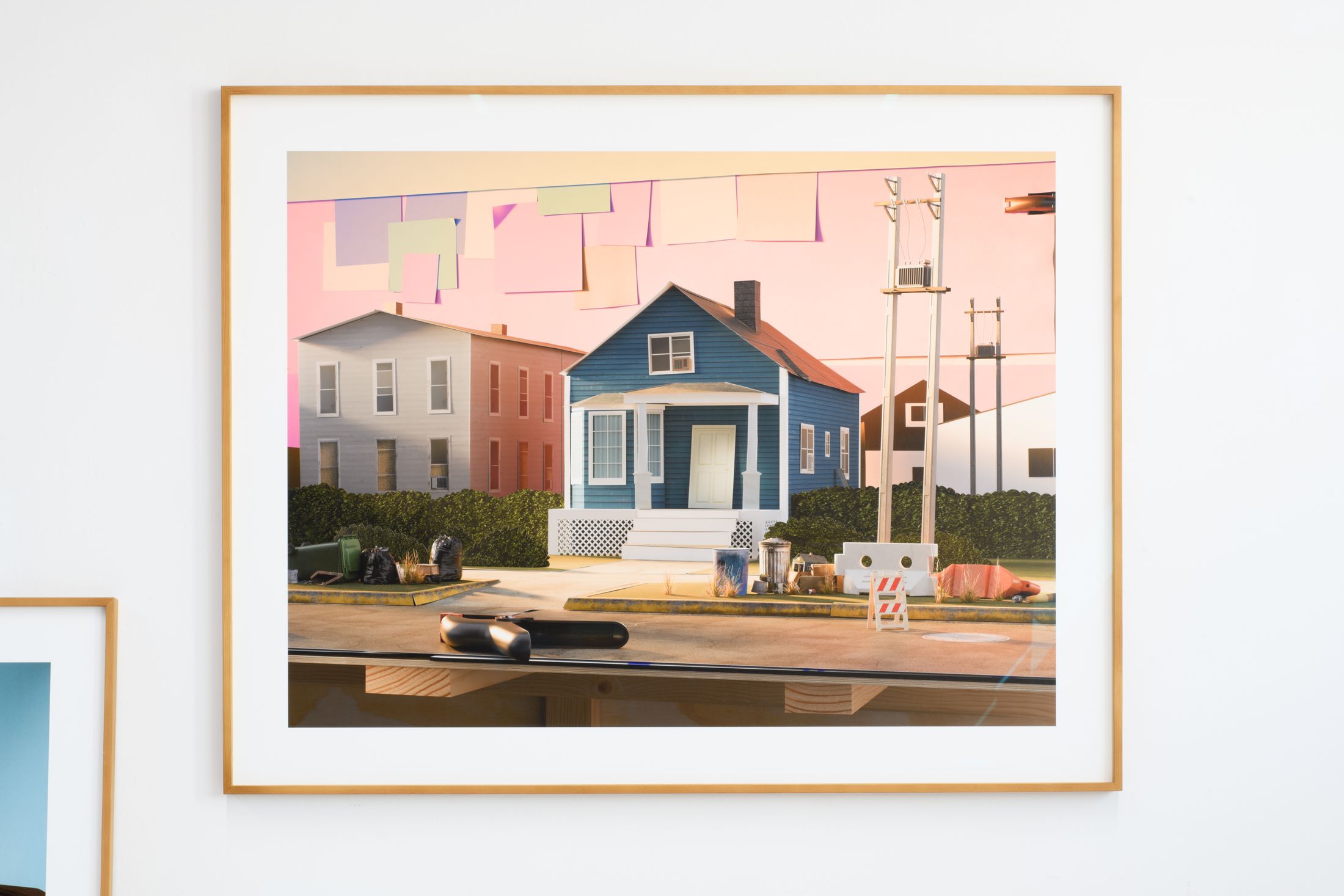
For Level of Detail (2023–ongoing), Carlo Zappella constructs paper worlds, sometimes in his studio and sometimes using the 3D rendering program Blender. He renders or photographs the analog model, produces it, and finally frames the resulting image. Without titles or production information, the status of his images remains in limbo, and it is difficult to tell whether a suburban landscape was built in the studio or rendered. Because Zappella sometimes photographs, always crafts, and often renders, doubts remain, and (dis)illusionment is possible. What distinguishes his work from that of similar (post)photographers, such as Thomas Demand and Alex Prager, is the triple layering and potential: Reality, model building, and rendering repeatedly enter into new relationships. Elements are tested in real life, photographed, and then rendered photorealistically, or vice versa. His rendered scenes appear real because they seem flawed. For example, a plastic clamp has been left behind; you can see the wooden pallet on which the model stands; the cardboard has been cut uncleanly; Post-its are stuck on top; or a spotlight protrudes into the picture. Zappella uses Blender as masterfully as he uses references from modern and contemporary art. For experts, his pictures become search images in which new layers of meaning constantly emerge. A rusty Campbell’s soup can refers to Andy Warhol, while a pot of Albrecht paint points to the history of painting. However, more than Dürer, his works are reminiscent of René Magritte and his play with incompatible realities and interpretations of images—are we seeing day or night, surface or space...?
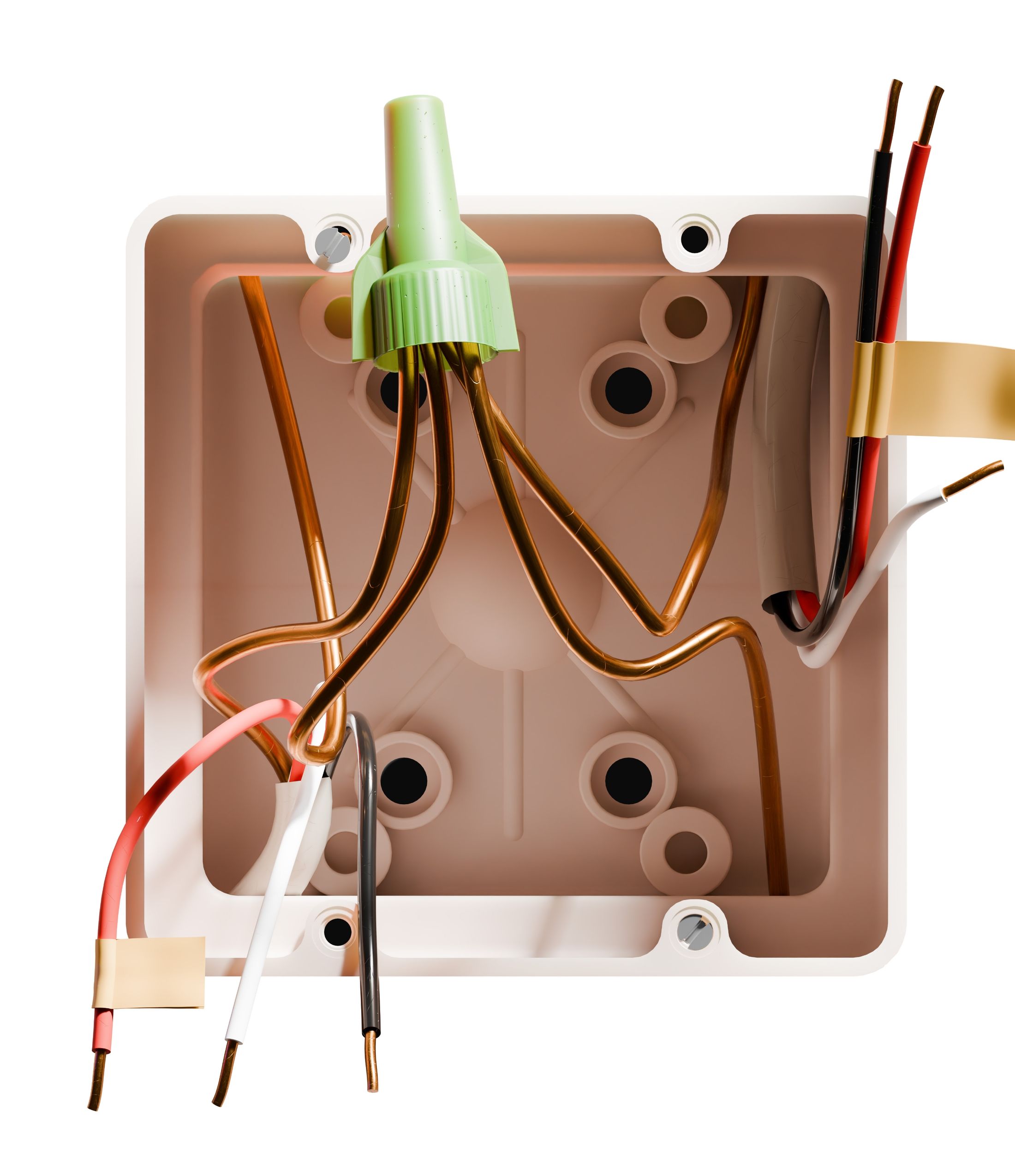
While Level of Detail primarily evokes virtual reality and the metaverse, Memories of Devices (2023–24) aestheticizes the structure of transistors and control loops that comprise the material infrastructure of the digital world. Cableporn (2025–ongoing), in turn, features brightly colored, elegantly curved, and stylishly reflective power cables in cable boxes—also rendered “after reality.” The fact that “it can never be wired like that,” as electricians sometimes remark on social media, is irrelevant. Because it is not about reality, but about how our aestheticized world prefers to represent it and whether these differences even matter anymore. (Translation: Gérard A. Goodrow)
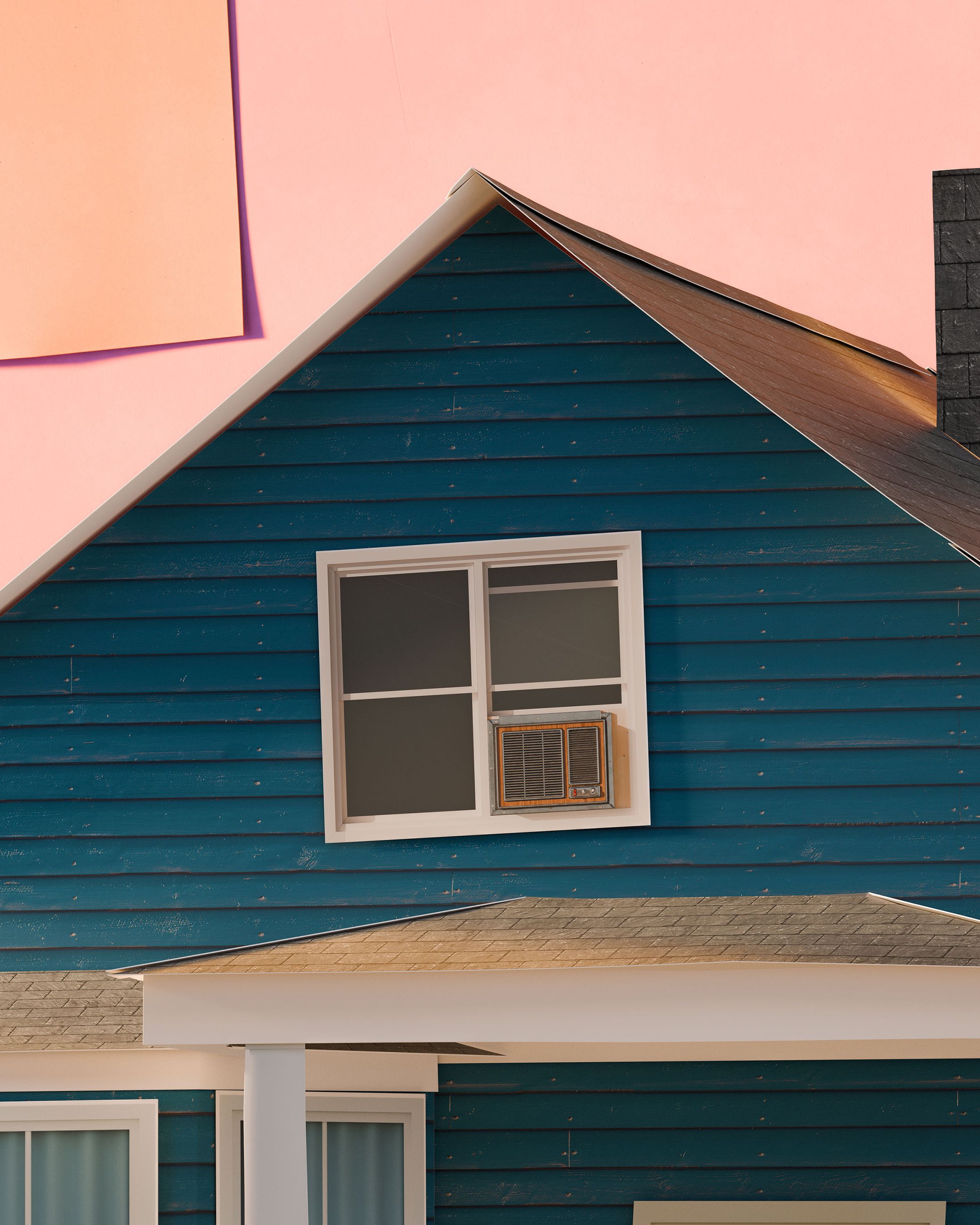
Carlo Zappella, detail from Starter House (Rendered Version), 2025, from the series Level of Detail, inkjet print, 152 × 119 cm
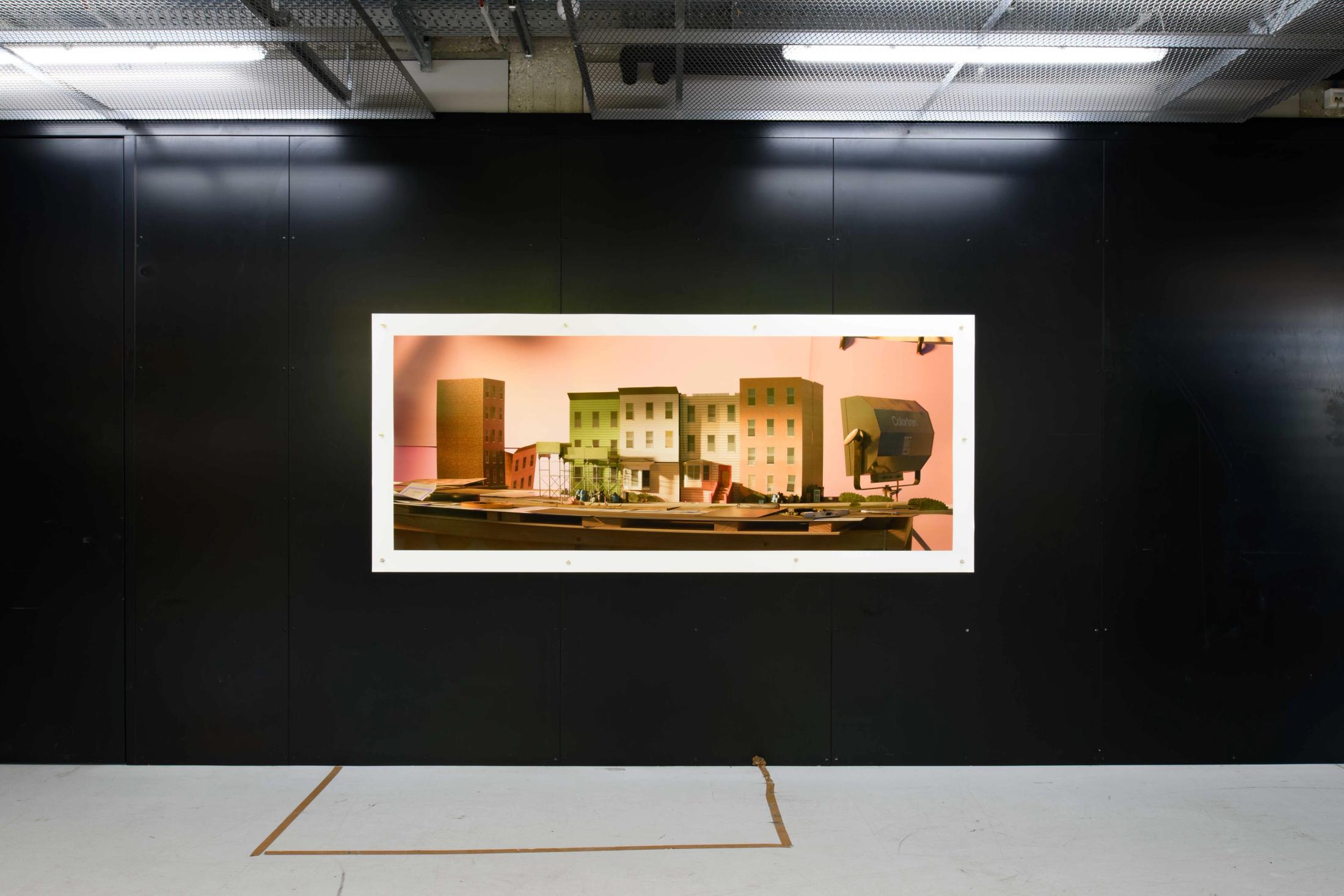
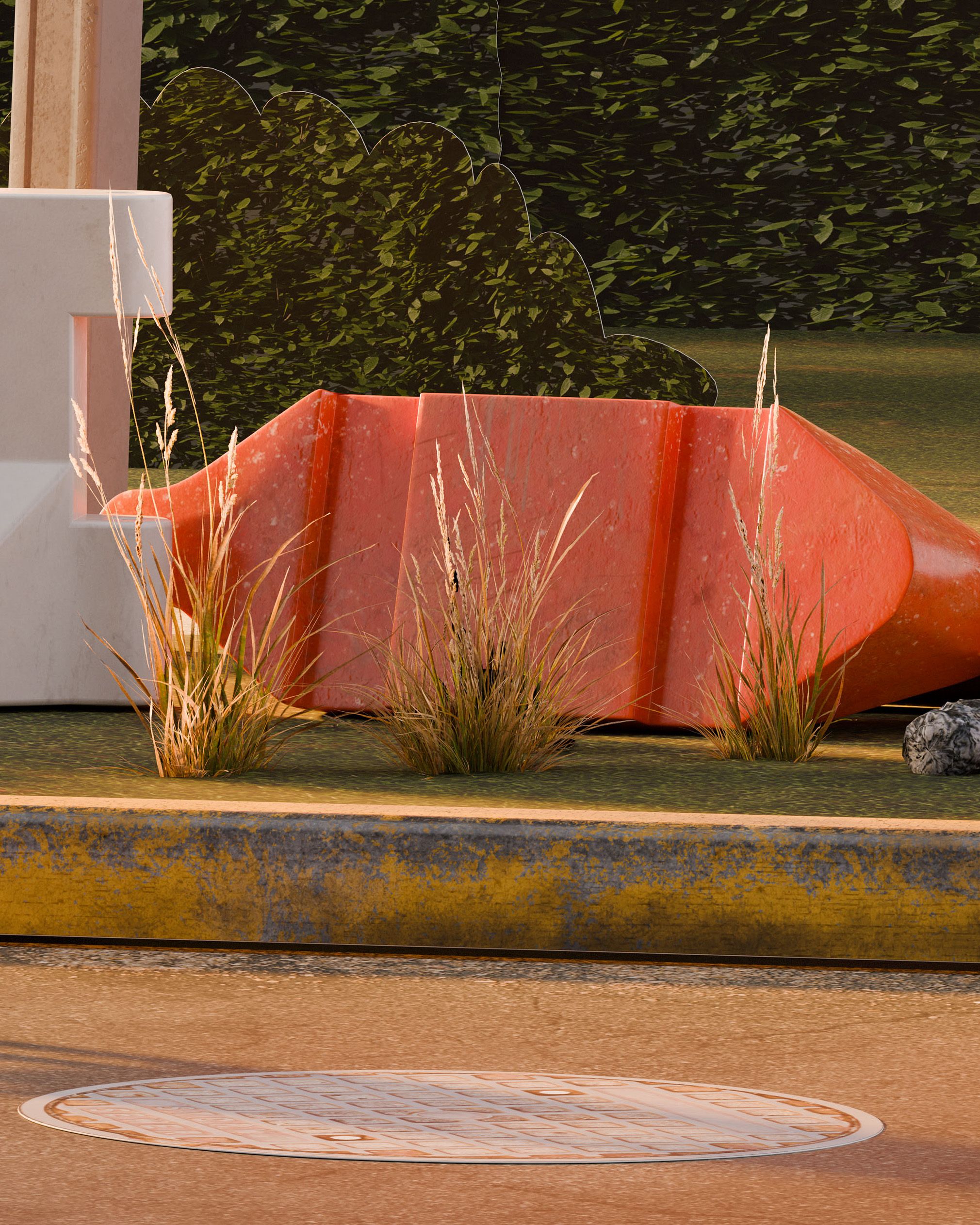
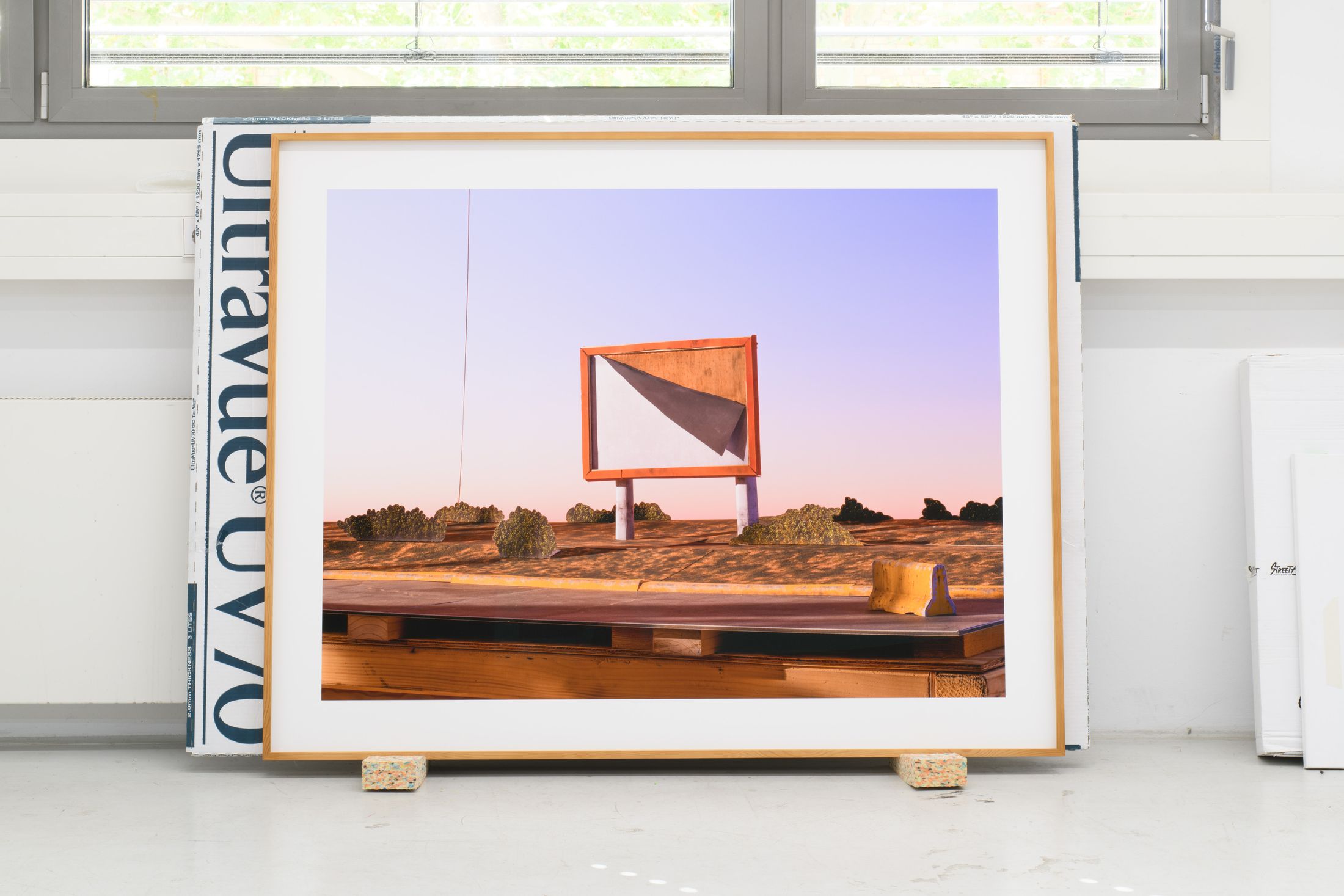

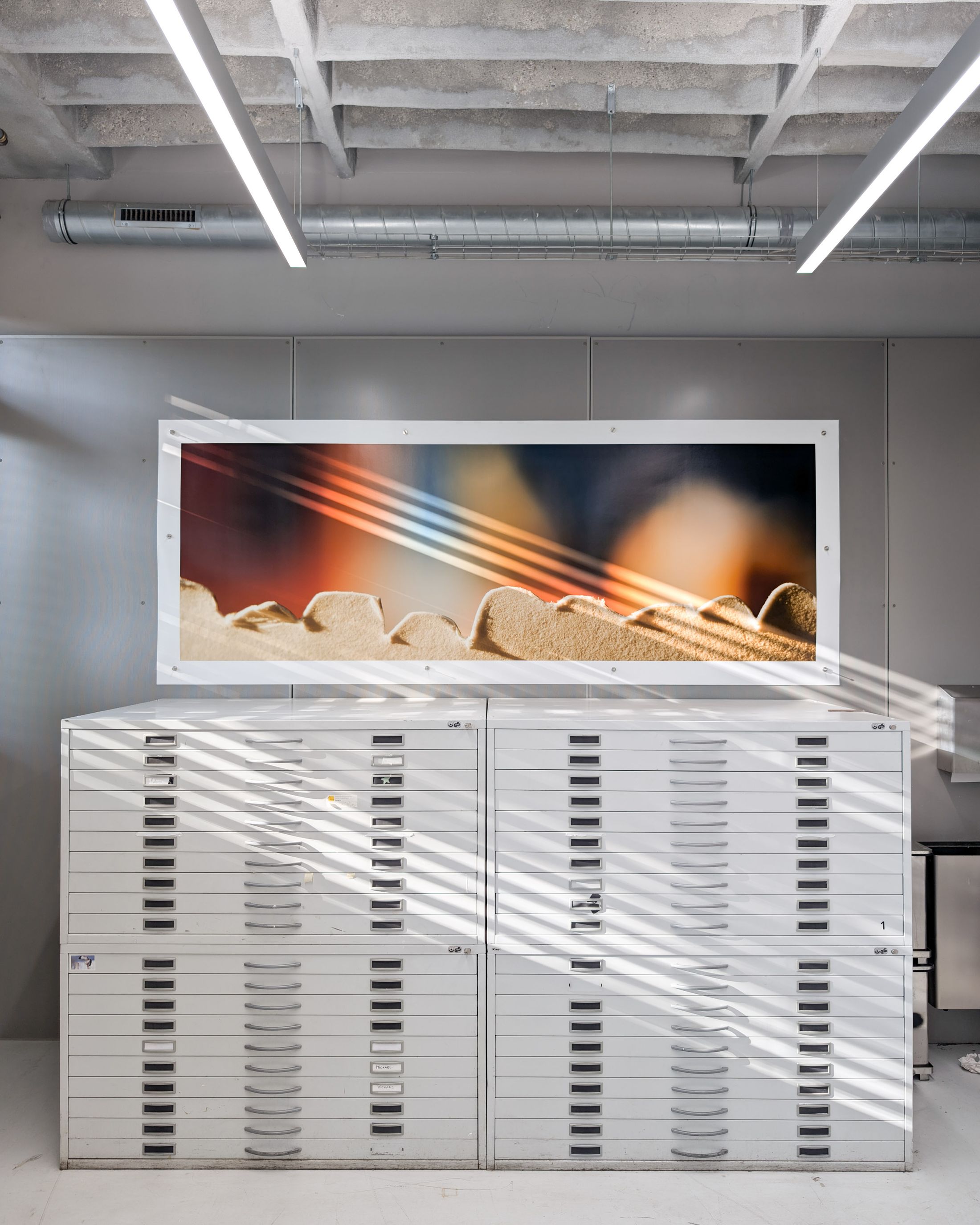
Carlo Zappella, Close-Up of Paper Bush, 2025, from the series Level of Detail, digital pigment print, 112 cm × 285 cm

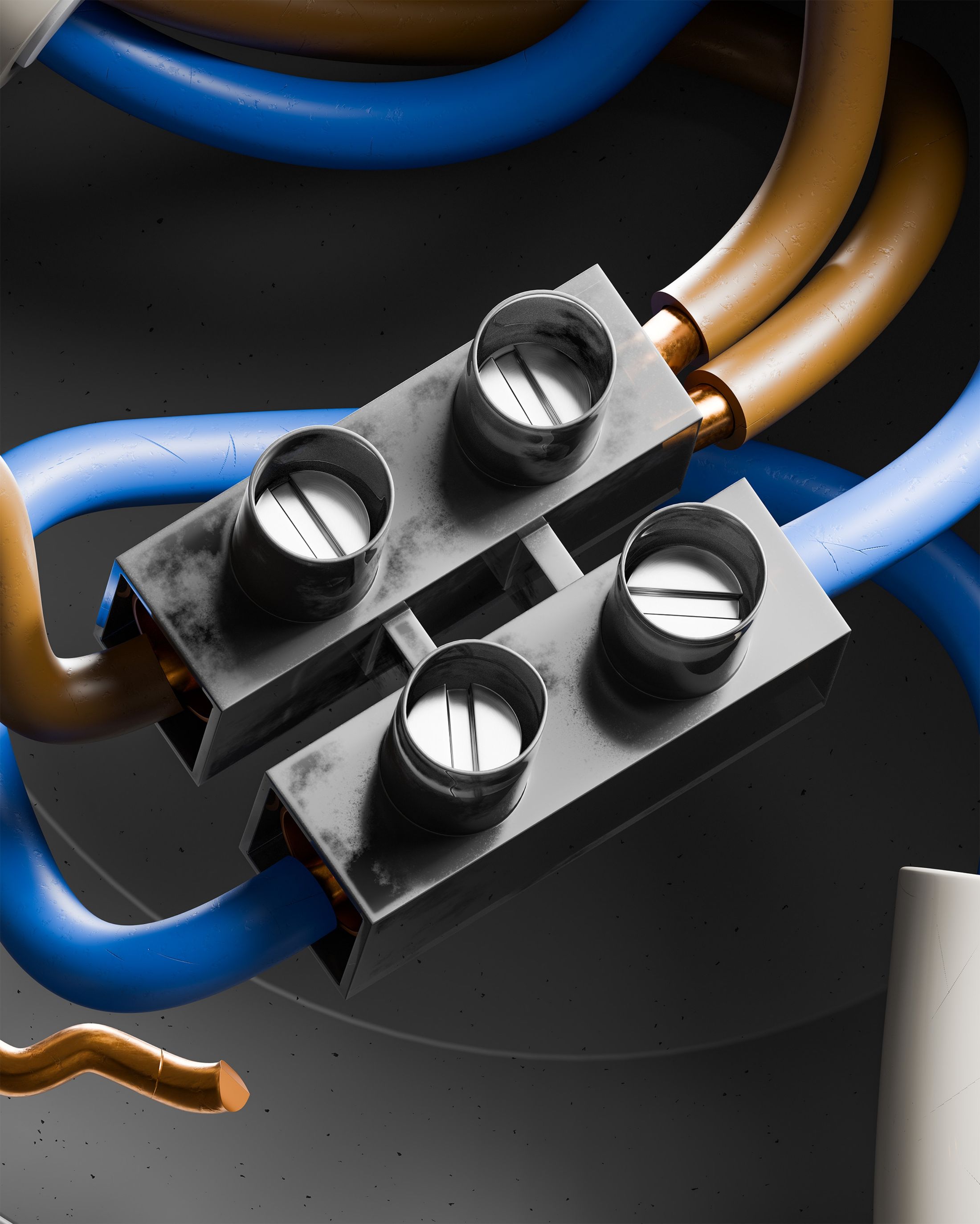
Carlo Zappella, Dose_06, 2025, from the series Cableporn, inkjet print, 100 × 100 cm
Carlo Zappella, born in Vienna in 1995, studied Fine Art Photography at the University of Applied Arts Vienna. In the summer of 2025, he received his diploma from Gabriele Rothemann. His focus is on the artistic process itself and the examination of perception and reality. His works combine various media, including photography, 3D rendering, sculpture, and video, and are intended to encourage reflection on the self within a broader context.