
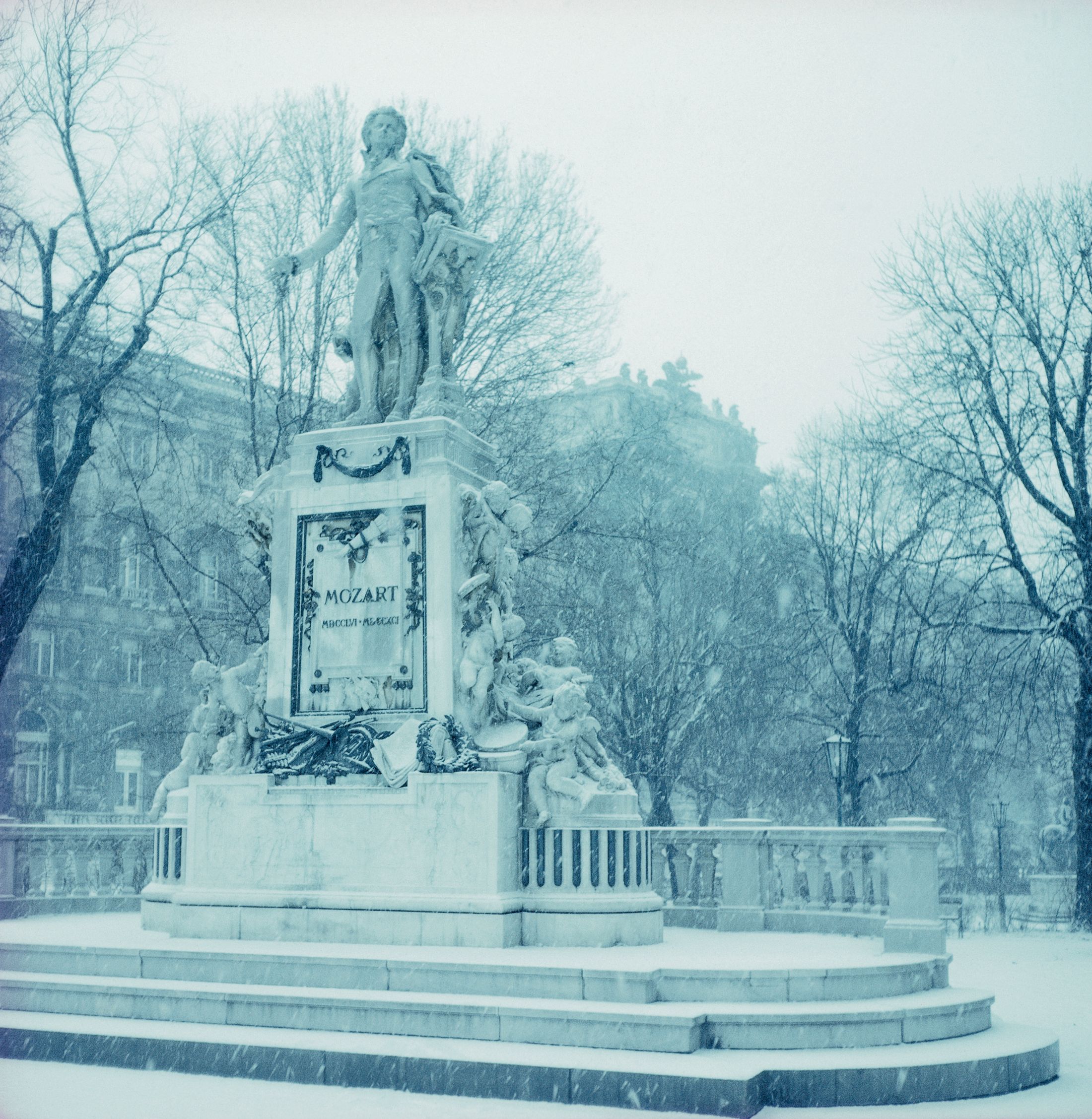

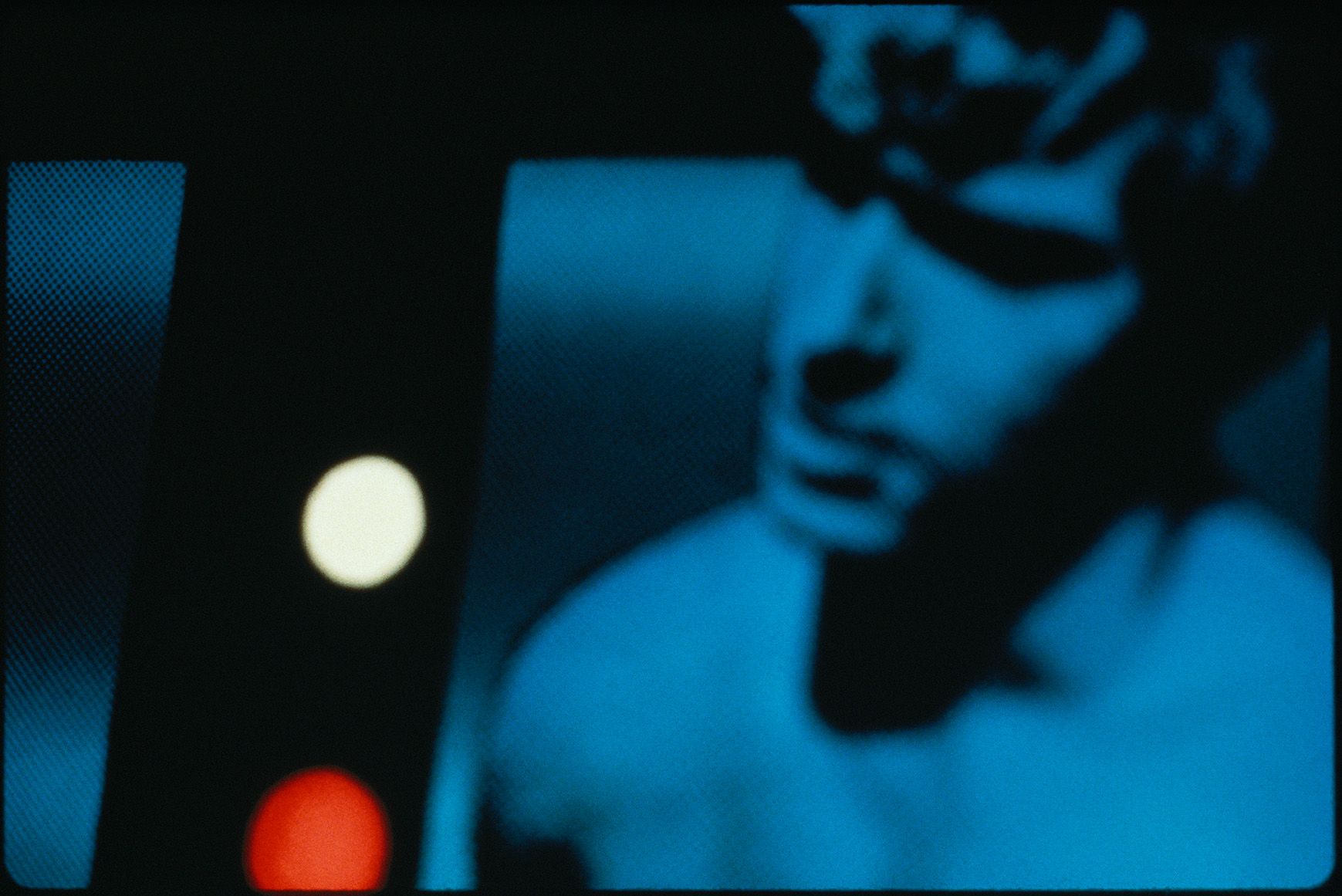
Richard Prince, Untitled (Postcard),1968–69, from the series The Magic Castle | © Richard Prince. Courtesy: Richard Prince Studio
Richard Prince, Untitled (Postcard),1968–69, from the series The Magic Castle | © Richard Prince. Courtesy: Richard Prince Studio
Richard Prince: On the Destabilization of Familiar Imagery
Richard Prince: On the Destabilization of Familiar Imagery
Richard Prince
by Anna Voswinckel,
On the occasion of its 250th anniversary, the Albertina is presenting a comprehensive exhibition of the work of the American artist Richard Prince (b. 1949), one of the most significant figures in appropriation art. Curated by Walter Moser, the exhibition features approximately 150 works from the 1970s to the present that consistently challenge the systems of media representation. The retrospective offers a multifaceted view of Prince’s longstanding photographic and image-analytical practice, as well as his continuous critical examination of aesthetic and social conventions, particularly those concerning gender representation. Against this backdrop, Anna Voswinckel spoke with Walter Moser.
A.V.Dear Walter, I’m delighted to speak with you about the exhibition and the work of Richard Prince. How did this exhibition come about?
W.M.I began working on the exhibition four years ago. I’ve been familiar with Richard Prince’s work since the early 2000s. When I visited his studio in New York, it became clear to me just how diverse his oeuvre actually is and how many works there are still to discover. Even colleagues in the field often only know the Cowboys, perhaps also Spiritual America or the Girlfriends. The exhibition focuses on photography, but it also features paintings and sculptures. From the very beginning, photography was Prince’s primary medium. My aim was to show how diverse his photographic practice is, how he continually redefines appropriation through photography, and how nuanced his analysis of mass media is as a result. An important starting point is the early, largely unknown Magic Castle series. When he was twenty years old, Prince traveled through Europe, visiting the castles of the Loire Valley, as well as Berlin, Paris, and Vienna. He took pictures of typical sights, but he also bought commercial slides in souvenir and museum shops. Back in the United States, he combined the two types of images and realized that his own photographs were nearly identical to the purchased slides. This is where his central questions take root: What is originality? Is an independent view of the world even possible? Or is our perception always already shaped by other images?
A.V.It’s also interesting that this engagement with American visual culture actually begins in Europe.
W.M.Exactly! That’s truly remarkable, especially when you consider how strongly Prince would later be associated with the examination of American myths.
A.V.But why, of all things, a Richard Prince exhibition now, and not one on the Pictures Generation?
W.M.There was a comprehensive exhibition on the Pictures Generation at the Metropolitan Museum of Art in New York in 2009, which remains an important reference to this day, including for our project. However, it was important to me to focus on Prince himself, especially since he is the most radical representative of the Pictures Generation and there has never been a major exhibition of his work in Vienna. Furthermore, his work remains topical and provocative to this day. His questions regarding appropriation, authorship, and the circulation of images have only become more relevant in the digital age. Prince’s art is analytical and conceptual, yet at the same time seductive and accessible to pop culture.
A.V.How would you describe his role within the Pictures Generation?
W.M.Douglas Crimp’s legendary 1977 Pictures exhibition was the first to articulate that images are always based on other images, and that they are never neutral but are always socially and ideologically coded. With his analytical deep drilling and his practice of appropriation—in which the source material and his own work often almost merge—Prince has indeed explored these questions most consistently. Interestingly, however, neither Prince nor Cindy Sherman was represented in that exhibition, despite both artists now being considered figureheads of the group. Prince worked largely behind the scenes for a long time; he was an artist’s artist and began playing with the boundaries between reality and fiction early on. A purported interview with the writer J. G. Ballard later turned out to have been written by Prince himself. In it, he recounts his half-true, half-fabricated life story. It is precisely this play with constructed identities that runs through his entire oeuvre.
A.V.And he’s a very good writer himself, too.
W.M.I highly recommend his texts. In Why I Go to the Movies Alone, for example, he reflects—in the role of the viewer—on the extent to which images shape our desires and wishes.
A.V.His work at Time Life was an important starting point.
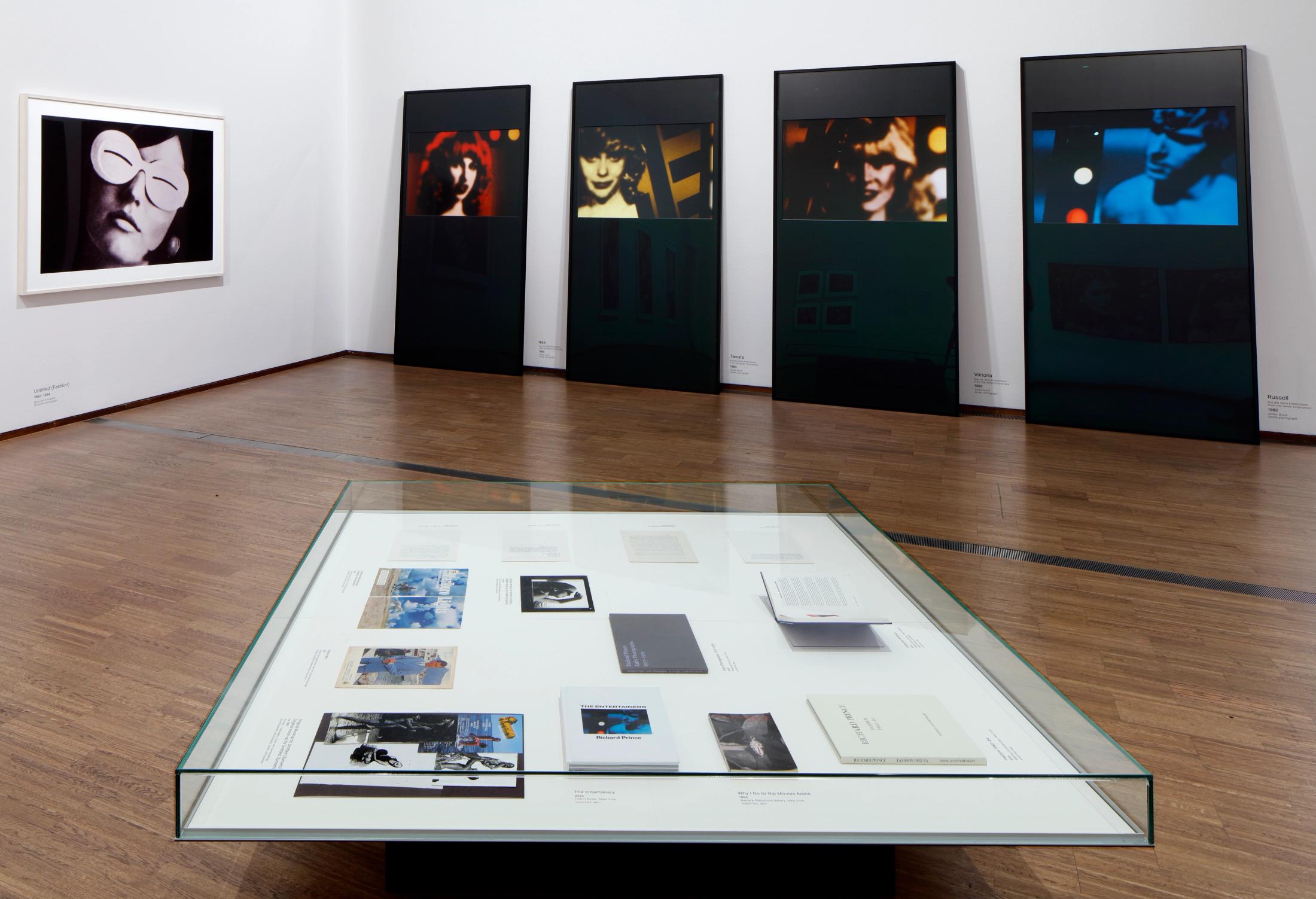
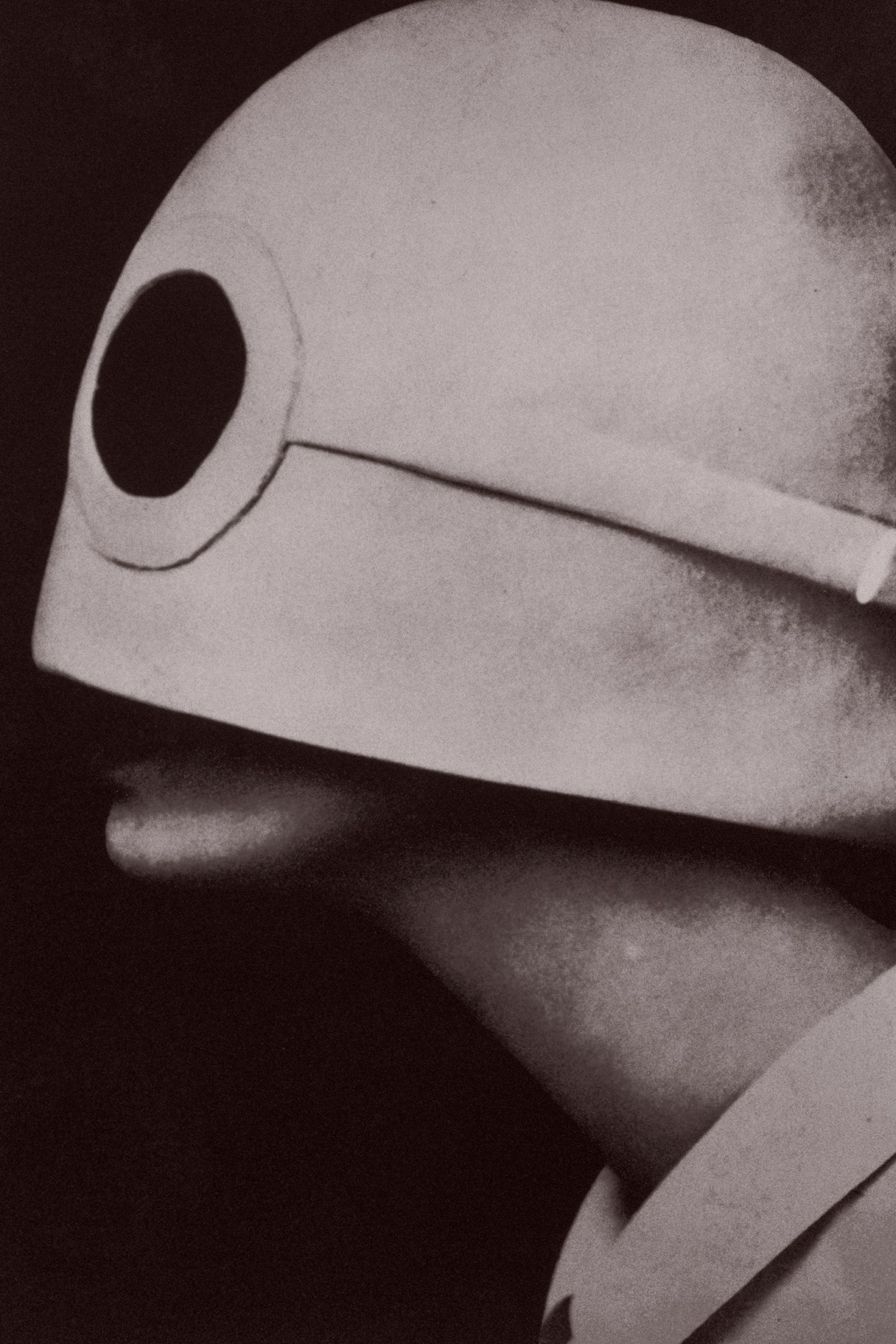
W.M.Exactly! He worked there in the clippings department, cutting out magazine texts, leaving only the images behind. He was fascinated by the seductive quality of advertising images and developed his practice of re-photography from this. However, Prince uses a variety of forms of image manipulation. In the concept paper “The 8-Track Photograph,” which we are showing in the exhibition, he breaks down his strategies. For example, he alters color values and works with enlargements, collages, or repetitions in groups of images. What all the works have in common is the destabilization of familiar imagery. The motifs appear both everyday and unsettling at the same time. The monumental enlargement of faces from fashion photographs illustrates just how much these function as projection surfaces for cultural fantasies.
A.V.At the same time, gender always plays a central role in these images.
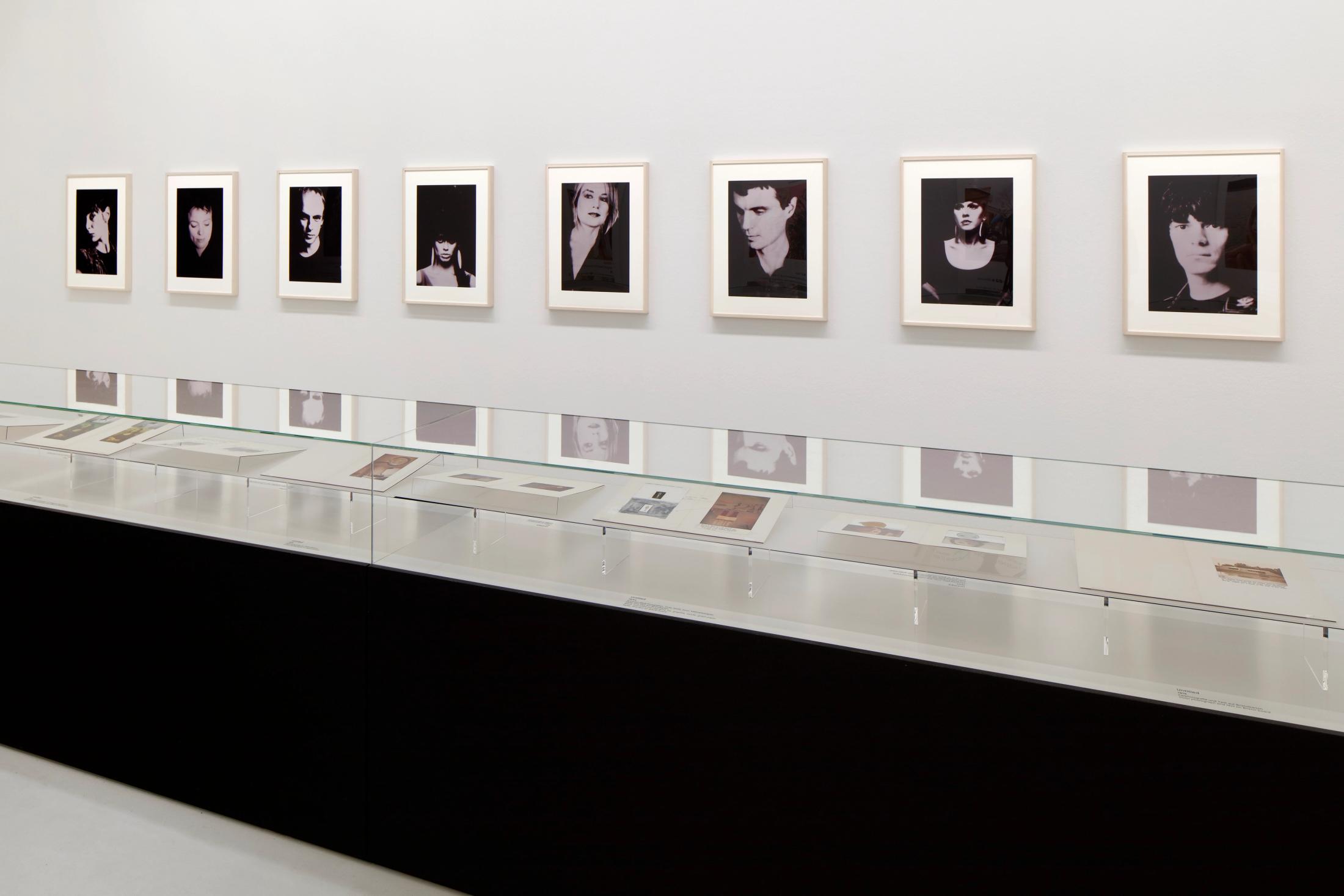
W.M.Absolutely! Gender relations are already inscribed in appropriation art itself, as it had strong feminine connotations. Furthermore, photography, as a medium outside the realm of classical art history, became a central tool of feminist practices. Prince engages with stereotypes by highlighting how male and female models are staged. In his early photographs, the same male model repeatedly stands confidently in urban spaces, looking directly into the camera. Women, on the other hand, are presented differently: with their heads slightly tilted, their gaze directed away from the frame, their lips partially parted. They thus exemplify forms of visual seduction with which advertising photography addresses us. Through the repetition of similar motifs, Prince examines patterns that reveal how deeply such images and roles are anchored in our consciousness. Identity or desire are generated through such visual codes. For this reason, his work can also be read as a deconstruction of classical masculinity. Queer-feminist perspectives were important to him from the very beginning. Prince was—at least until the scandal surrounding Spiritual America in 1983❶—an honorary member of feminist groups. He also staged role-playing scenarios with his partner at the time, Cindy Sherman. He presented his early appropriations of male models in New York’s public urban space, in the window of a bookstore just around the corner from the Stonewall Inn, site of the 1969 riots that launched the gay rights movement. In doing so, he also forged a symbolic alliance with the queer community. Christian Liclair wrote an illuminating essay on this topic for our catalogue. Prince’s appropriations of hypermasculine models thus encounter people who question such norms and appropriate them through over-affirmation. These ambivalences are very important to him.
A.V.This is particularly evident in the Cowboys and Girlfriends series.
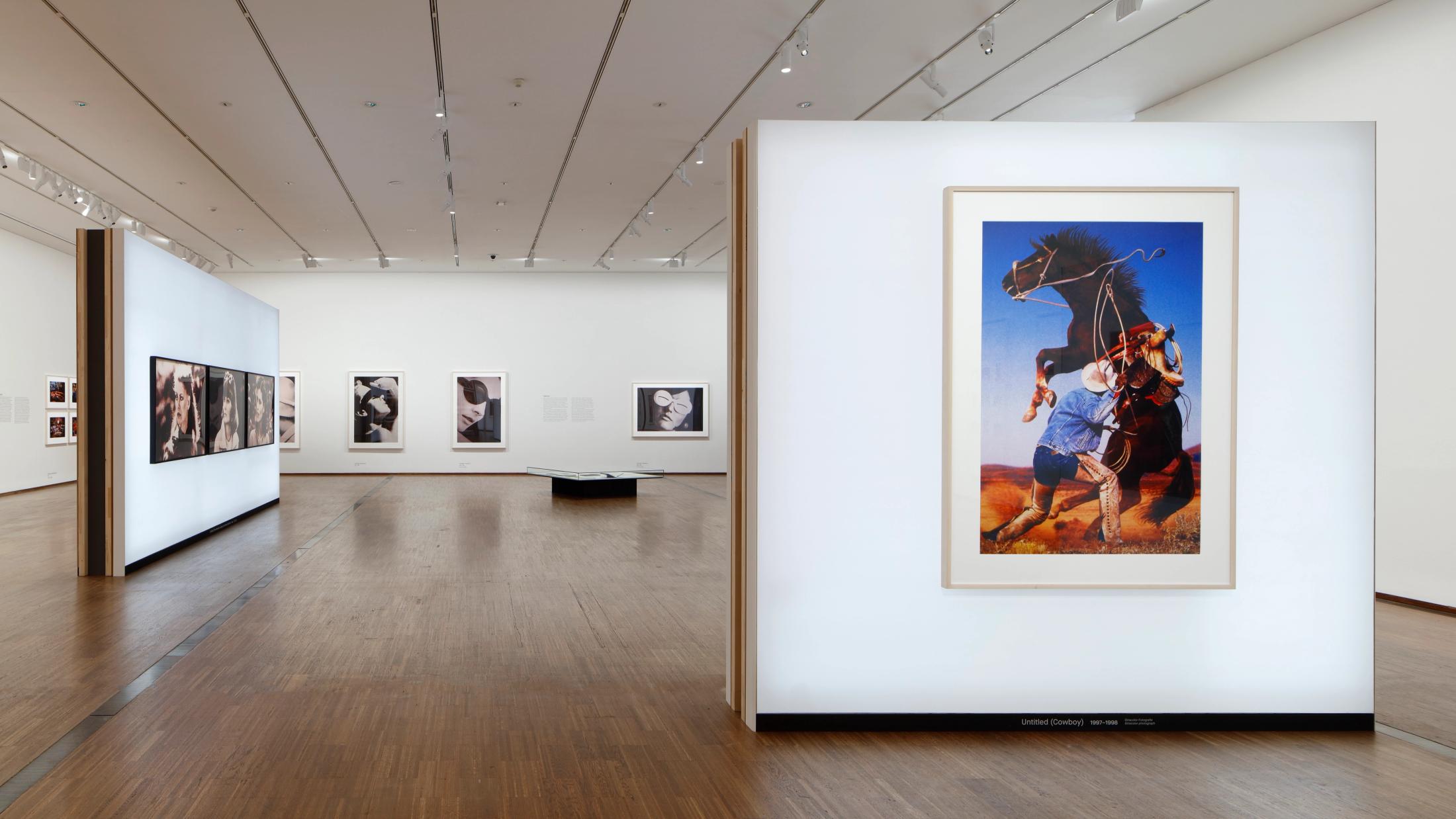
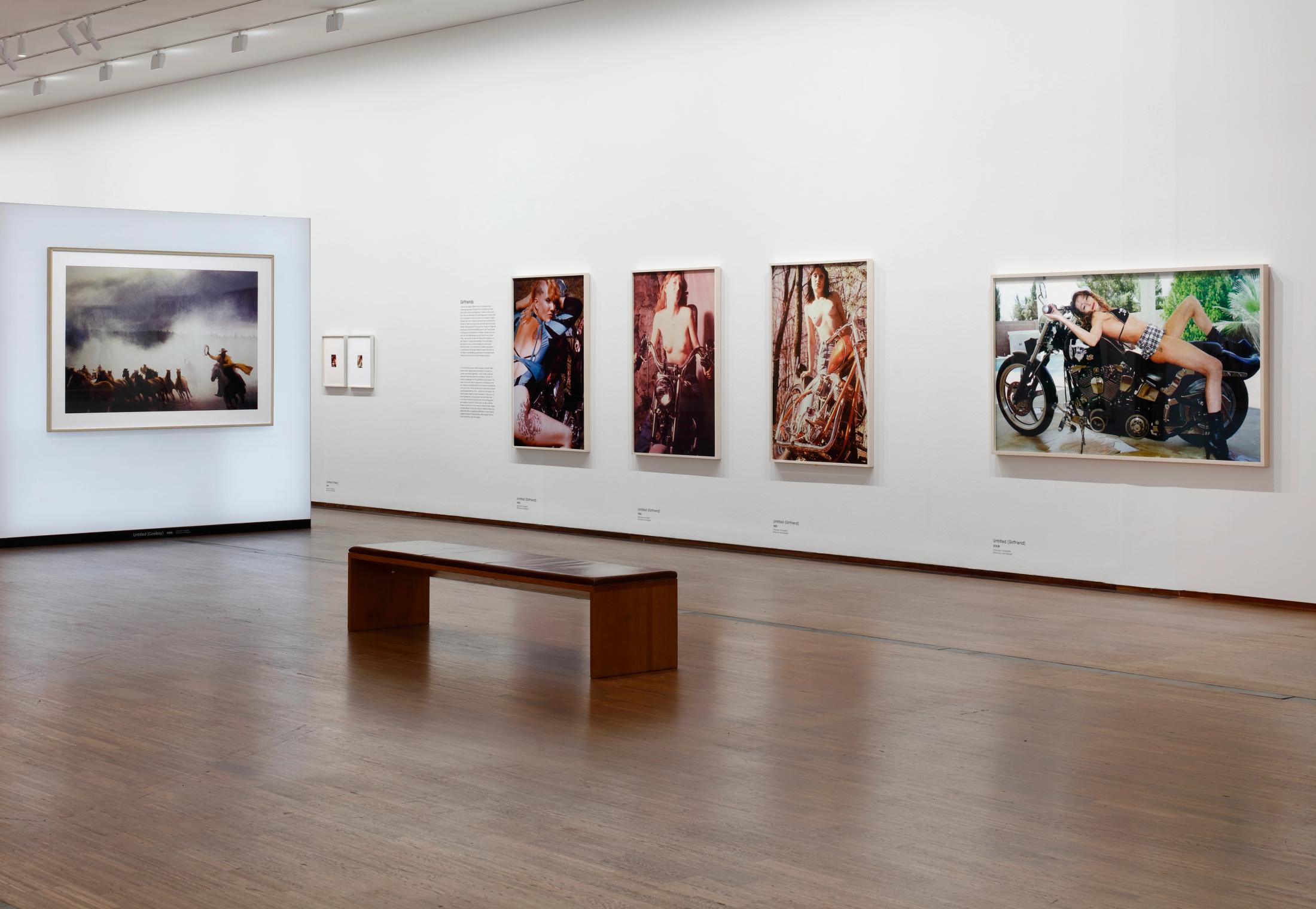

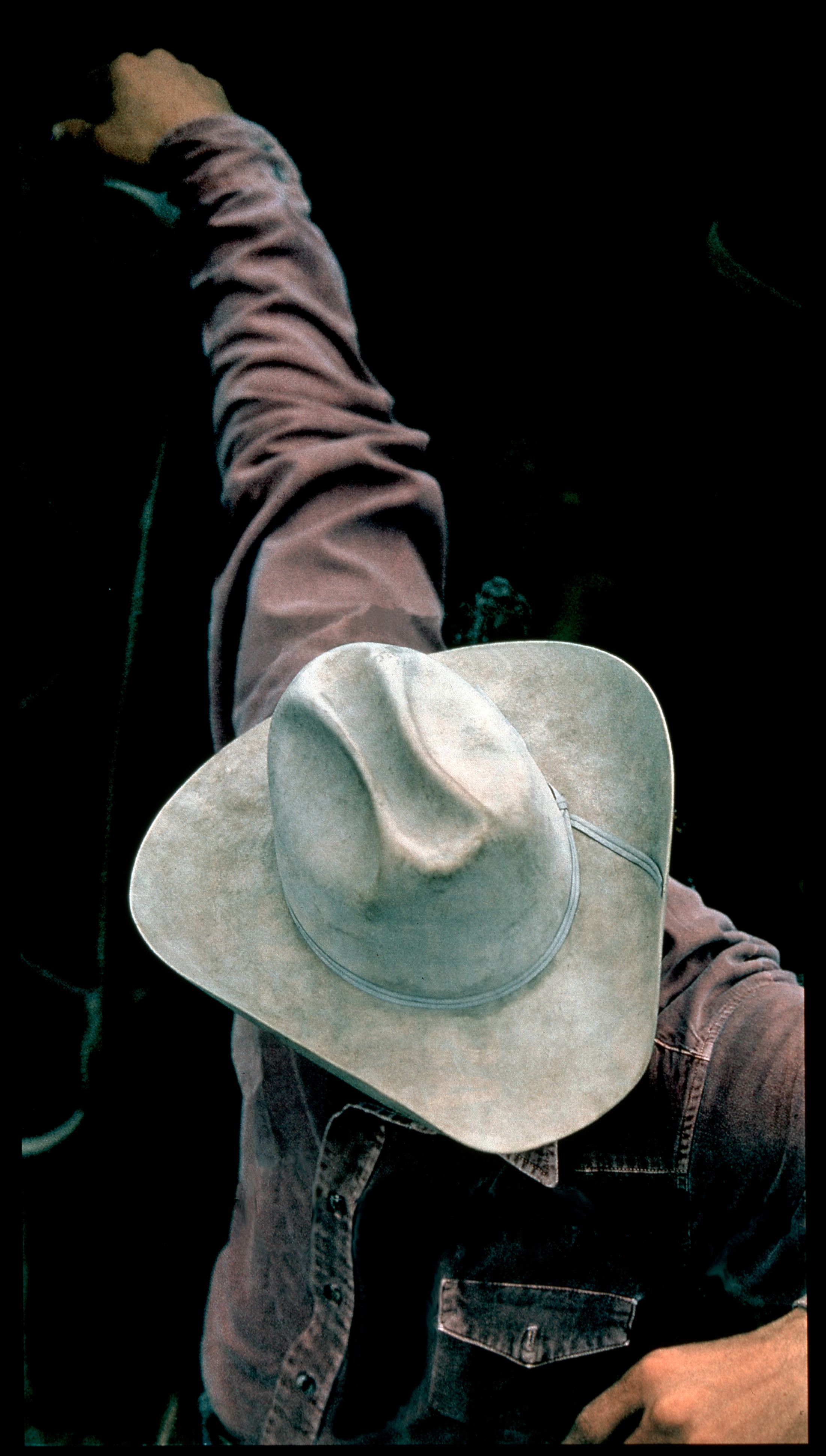
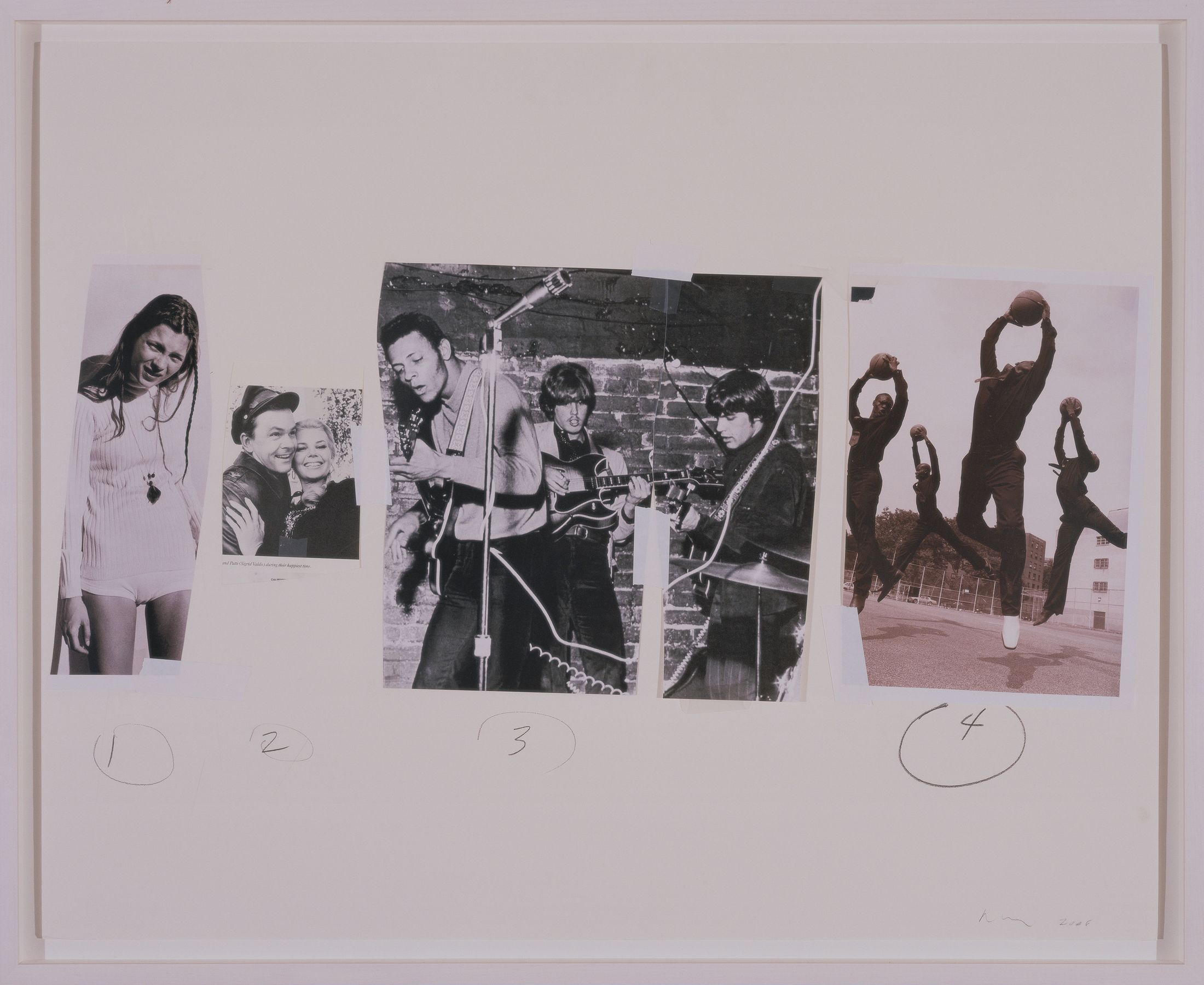

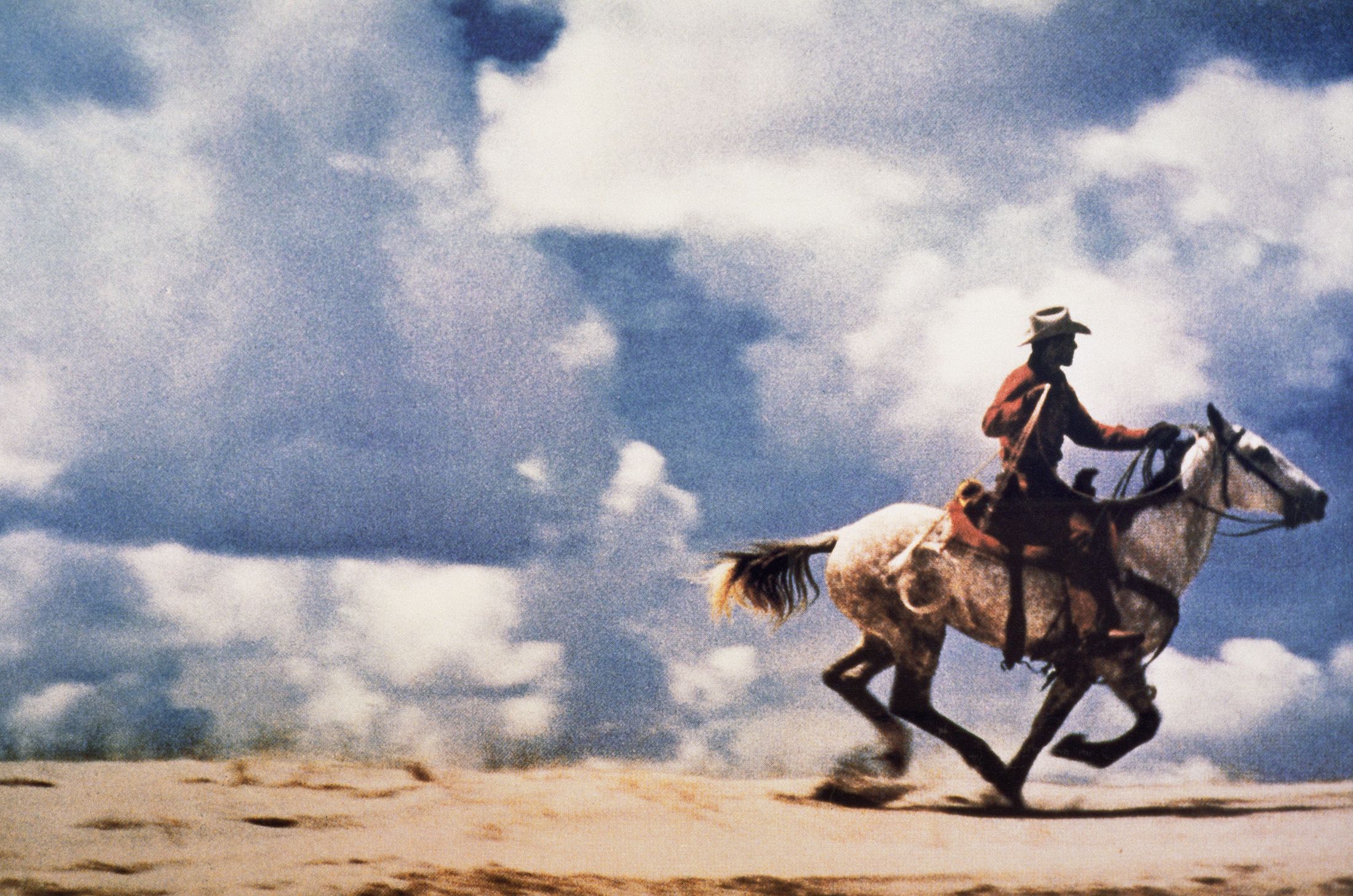
Richard Prince, Untitled, 1989, from the series Cowboy | © Richard Prince. Courtesy: Richard Prince Studio
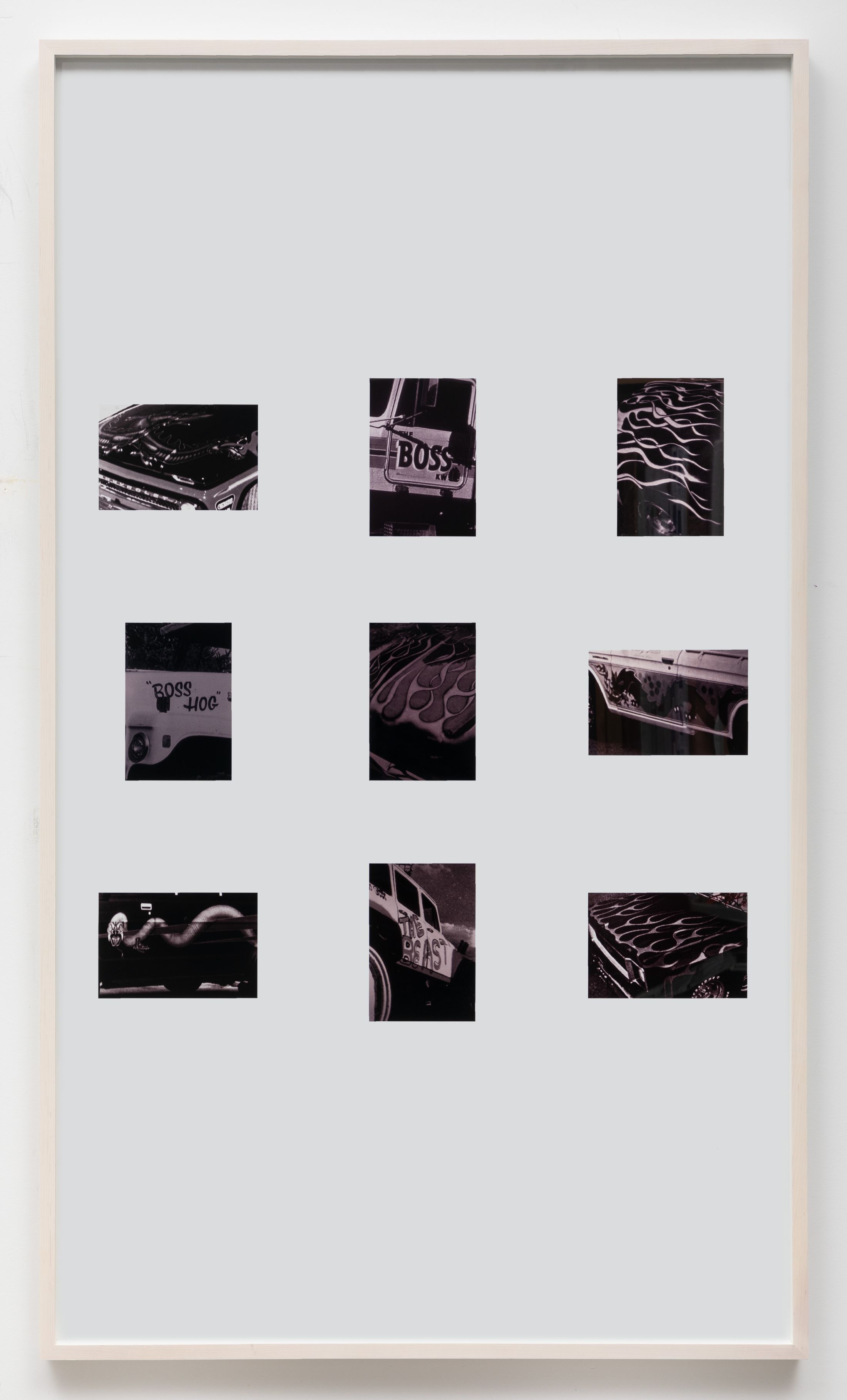
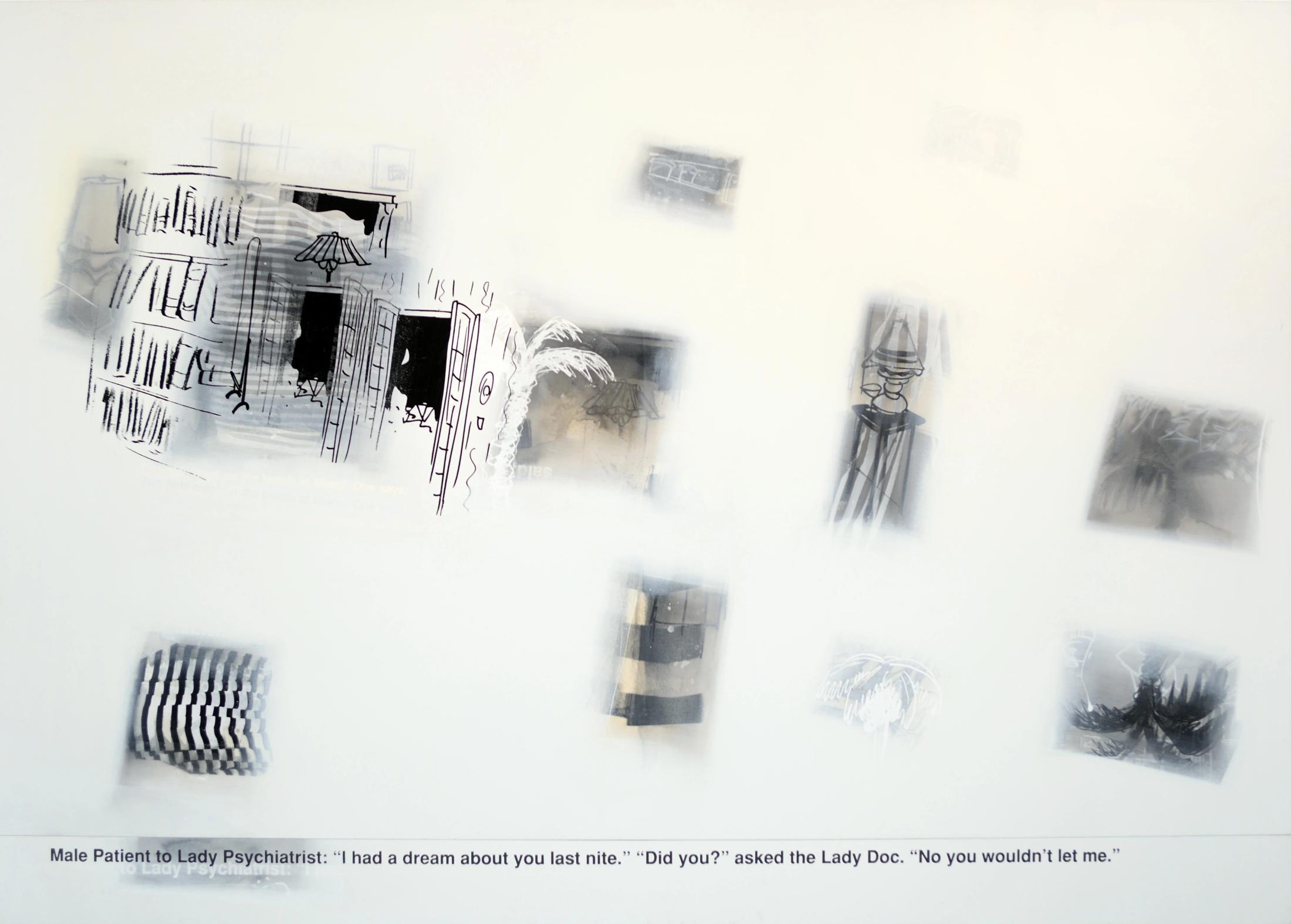
Richard Prince, Flames, Dragons and Titles, 1985–1986, from the series Gangs | © Richard Prince. Courtesy: Richard Prince Studio
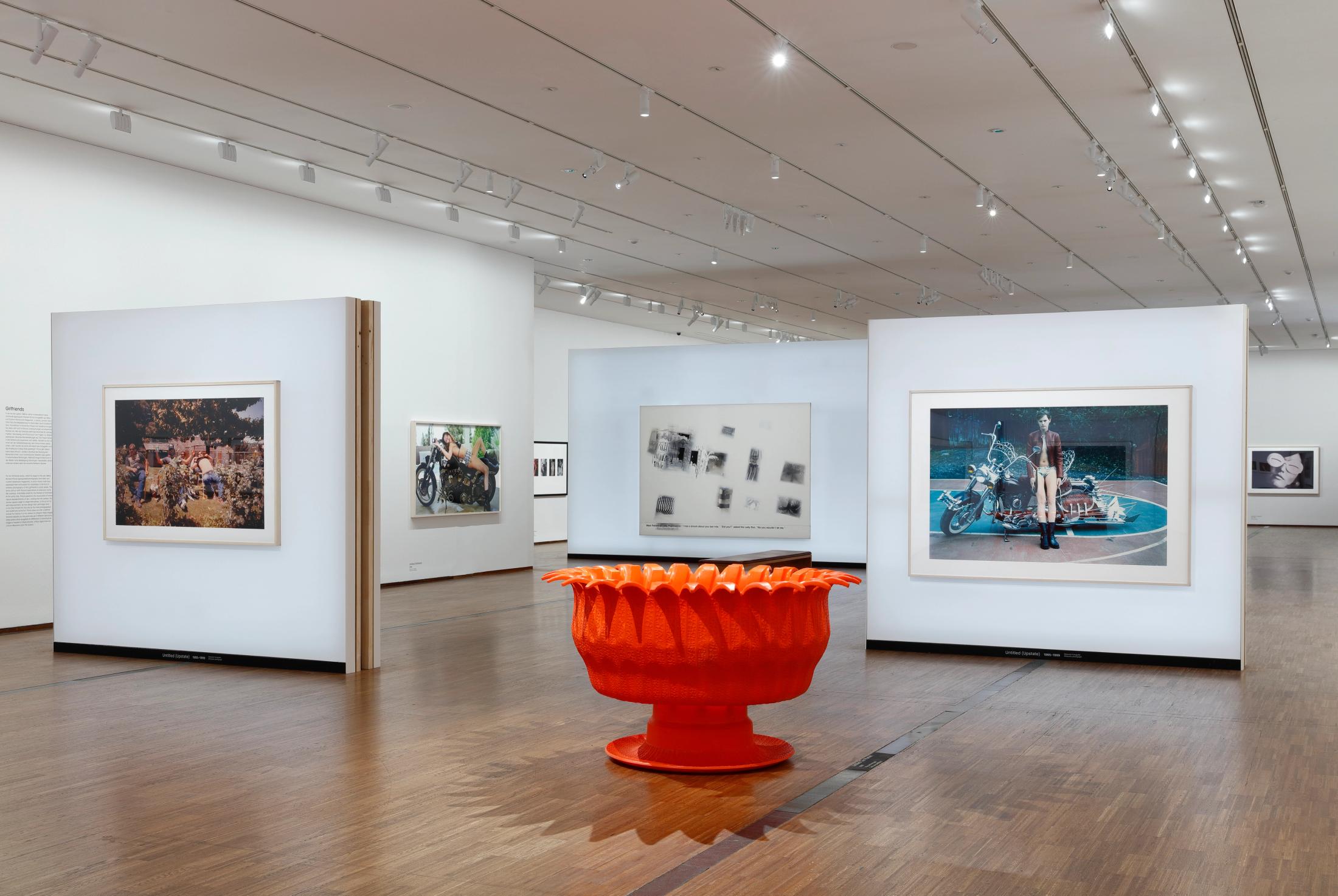
W.M.The Cowboys tap into the American myths of freedom and masculinity. Prince appropriated Marlboro advertisements, removed logos and text, and defined new image frames. Through this, fiction began to become reality. Incidentally, gender relations were also inherently embedded in Marlboro advertising because it was intended to appeal to a male consumer base. And this visual language was also linked to a political ideology: After all, Ronald Reagan—a former Hollywood actor known for his roles in Westerns and cowboy films—was president of the United States at the time. On the one hand, Prince’s images are based on a reflexive approach, while on the other he exploits the seductive power of the source material. This ambivalence between criticism and affirmation is precisely what makes the works so compelling: Do they affirm American myths, or do they deconstruct them? The Girlfriends are similarly complex. Unlike the Cowboys, however, Prince did not use professional advertising images here. Instead, he used amateur photographs from biker magazines, in which men photographed their girlfriends posing on motorcycles. These images clearly depict stereotypical gender roles. At the same time, however, the women look directly into the camera and are quite obviously an active part of the staging. Prince monumentalizes these amateur images without, however, concealing their technical flaws. He does not pass judgment, leaving open the question of whether we are witnessing an act of self-assertion or external determination. Unlike in Spiritual America, there is no clear critical indication, such as through the choice of title.
A.V.He has often been interpreted positively by feminist theory.
W.M.Yes, because it has appreciated the subversive element in his works. Prince uncovers a visual culture that is usually swept under the carpet, yet he does not ridicule this subculture. Instead, he calls into question the structures of desire and power inherent in the images.
A.V.The Gangs series also functions through such structures.
W.M.The Gangs are key works for me. There, Prince vividly demonstrates his method of combining images. Multiple images are exposed together on photographic paper using an internegative, creating entirely new constellations. On the one hand, this brings to mind Aby Warburg’s concept of the Bilderatlas Mnemosyne. On the other hand, Prince subverts any form of objective archiving here because his selection remains entirely subjective. They are simply images with which he identifies. The source materials range from advertisements to motorcycle, gun, and film magazines, as well as comics. By repeating certain iconographies, Prince subverts preconceived interpretations of images.
A.V.I find the Upstate series—which, at first glance, appears to be a classic documentary—surprising; first of all, because, for a change, it captures images of real, three-dimensional space.
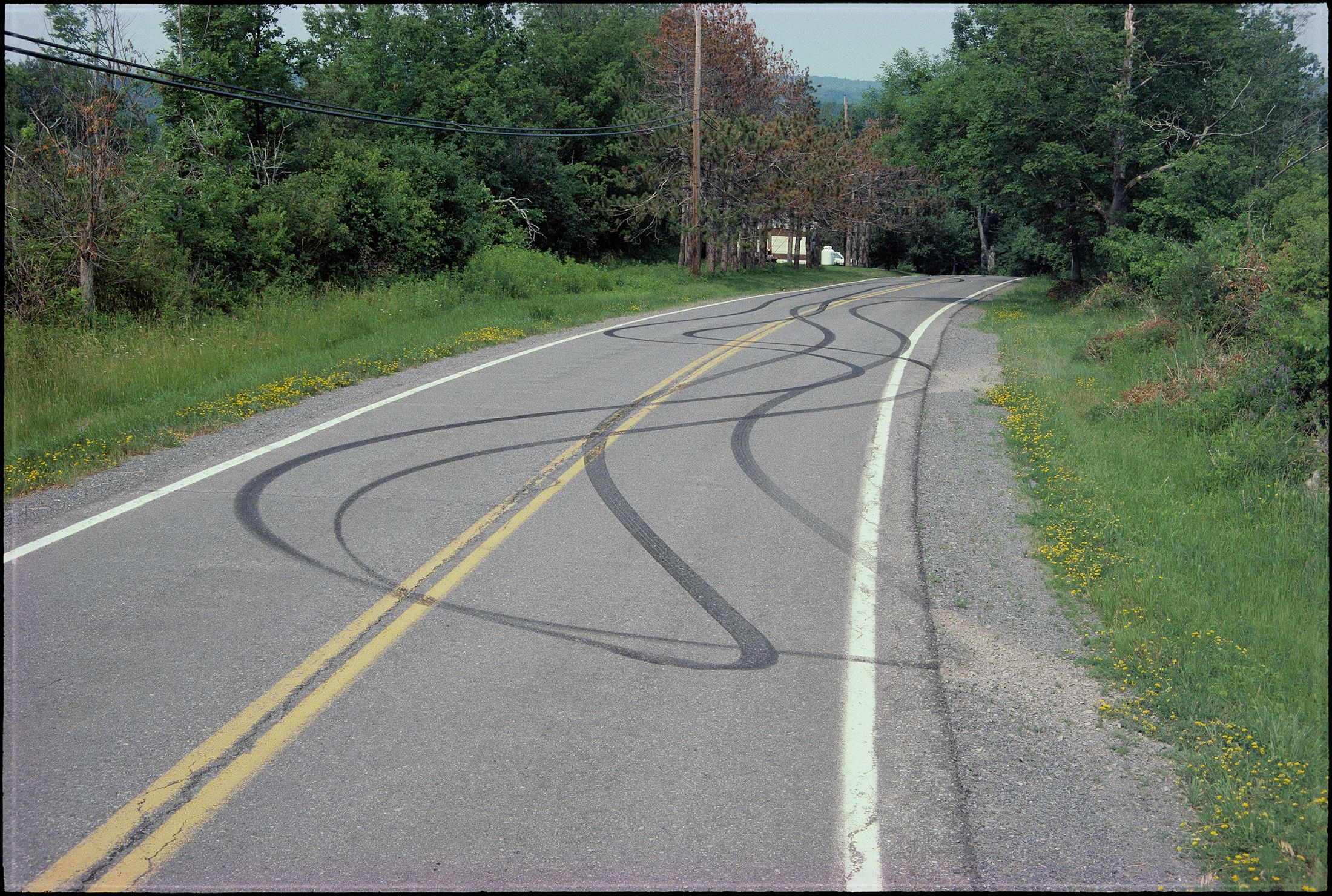
W.M.And yet this series, too, touches on the core of his work, though here through photographs of his surroundings in Upstate New York: basketball hoops, garages, cars, Marlboro advertisements, landscapes, Stella Tennant.❷ Documentary images stand alongside appropriated photographs. As a result, fact and fiction constantly blur. Ultimately, the series asks whether we can still have an unmediated view of reality at all.
A.V.In his later works, collage and materiality become increasingly important.
W.M.Exactly! Prince obsessively collects books, magazines, film stills, and promotional materials. In his later works, he draws from this collection and combines original materials such as book covers, celebrity portraits, and film stills to examine how images produce meaning. In one series, he works with the trope of the sexy nurse, a figure deeply rooted in popular culture. Prince is always interested in the similarities within the differences—namely, how certain fantasies, projections, and power structures run through diverse media and manifest themselves anew time and again.
A.V.Let’s move on to Spiritual America.
W.M.That’s probably the most challenging work in the exhibition. We discussed at length how we should present it. In 1983, Prince appropriated a photograph of ten-year-old Brooke Shields taken by Garry Gross. At her mother’s request, Gross had photographed Shields standing naked and highly sexualized in a bathtub. Prince exhibited his version in a gallery space rented specifically for that purpose, thereby reflecting on our voyeurism and the power structures of images that go beyond the purely visual. At the same time, he appropriated the title, Spiritual America, from Alfred Stieglitz, who had used a photograph of a castrated horse to criticize what he saw as a hypocritical American culture driven solely by commercial interests. In 2005, Prince further developed this work in collaboration with Brooke Shields for Spiritual America IV. Shields repeats the pose from back then, but this time on her own terms, as an adult woman, thereby regaining control over the earlier image. We decided to include only this version because experience has shown that, otherwise, the discussion surrounding the exhibition would mainly revolve around this one work, disregarding the many other themes.
A.V.I can understand that. It’s also about a deliberate overwriting of the original image. And the image can easily be found online anyway. By withholding it from visitors here, you, as an institution, make it clear which image-related concerns you want to give a platform to. And the Instagram works also bring these questions back into the present.
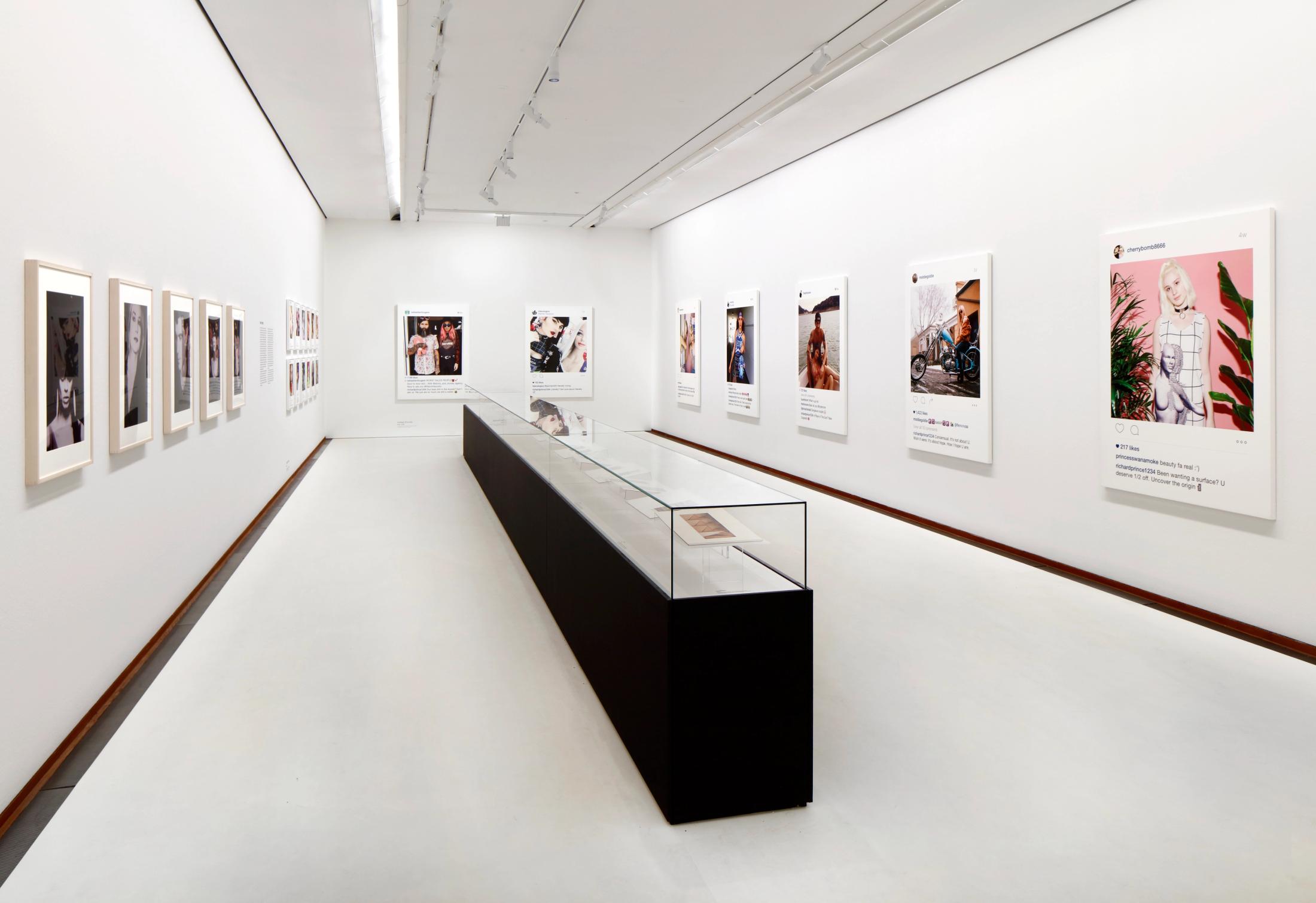
W.M.Absolutely! Prince takes screenshots of images on Instagram, enlarges them, and transfers them to canvas, thereby making their specific mediality visible. Without a physical medium, Instagram images are, after all, of low technical quality. Above all, however, he is concerned with the paradoxical economy of social media: Attention, likes, data, self-presentation—the supposedly free offerings online ultimately turn us into commodities ourselves. But language also plays a major role here. The comments, emojis, and text fragments that Prince posts beneath the images before appropriating them often seem absurd or devoid of meaning. For me, these works are the logical continuation of the questions he raised in the 1970s, only transposed into the digital realm.
A.V.So, ultimately, it always comes back to the same questions.
W.M.Exactly! Who owns an image? What is an original; what is a copy? How do meaning, desire, and identity arise through images? What’s fascinating about Prince is that he has been constantly reframing these questions for decades through a profound examination of how visual media function and discussing them in ways that are often provocative but always intelligent.(Translation: Gérard A. Goodrow-Jaber)
- ❶
Spiritual America sparked a scandal in 1983, as the ambivalence between critical analysis and problematic repetition is particularly difficult to bear in this appropriation and artistic reinterpretation of a sexualized photographic staging featuring Brooke Shields, who was ten years old at the time. Many feminist authors and cultural theorists have therefore argued that the work cannot be legitimized solely on the basis of its critical intent, but that the concrete effects of its circulation must also be examined.
- ❷
Stella Tennant was one of the most iconic supermodels of the 1990s. She became known for her androgynous appearance and deliberately aloof demeanor in front of the camera. As a figure who oscillated between femininity and masculinity, authenticity and performance, she became a projection surface for societal notions and thus a motif that touches on central themes in Richard Prince’s work.